Introduction
Pine mushrooms (Tricholoma matsutake), a highly coveted and economically valuable wild edible fungus, are celebrated globally for their unique aroma, rich flavor, and high nutritional value. However, their natural habitat is highly restricted to specific temperate and boreal forests, making traditional harvesting heavily dependent on seasonal conditions, weather, and wild availability. In recent years, continuous breakthroughs in Controlled Environment Agriculture (CEA) have opened a new avenue for the commercial cultivation of pine mushrooms. This case study explores the successful deployment of pine mushroom cultivation containers in British Columbia, Canada, demonstrating a sustainable and technologically advanced approach to high-value fungi production.
Project Background and Industry Challenges
The global demand for pine mushrooms has steadily increased, driving substantial market prices. However, because pine mushrooms are obligate symbionts—meaning they must form mutual relationships with the roots of specific host trees, primarily in nutrient-poor soils—scaling up traditional cultivation has proven extremely difficult. This biological sensitivity has historically kept supply low and prices volatile. Recognizing this gap, a Canadian agricultural technology company launched an innovative project in 2023 near Vancouver to produce fresh, premium pine mushrooms using specialized cultivation containers, independent of nature's unpredictable cycles.
System Design and Advanced Technology Integration
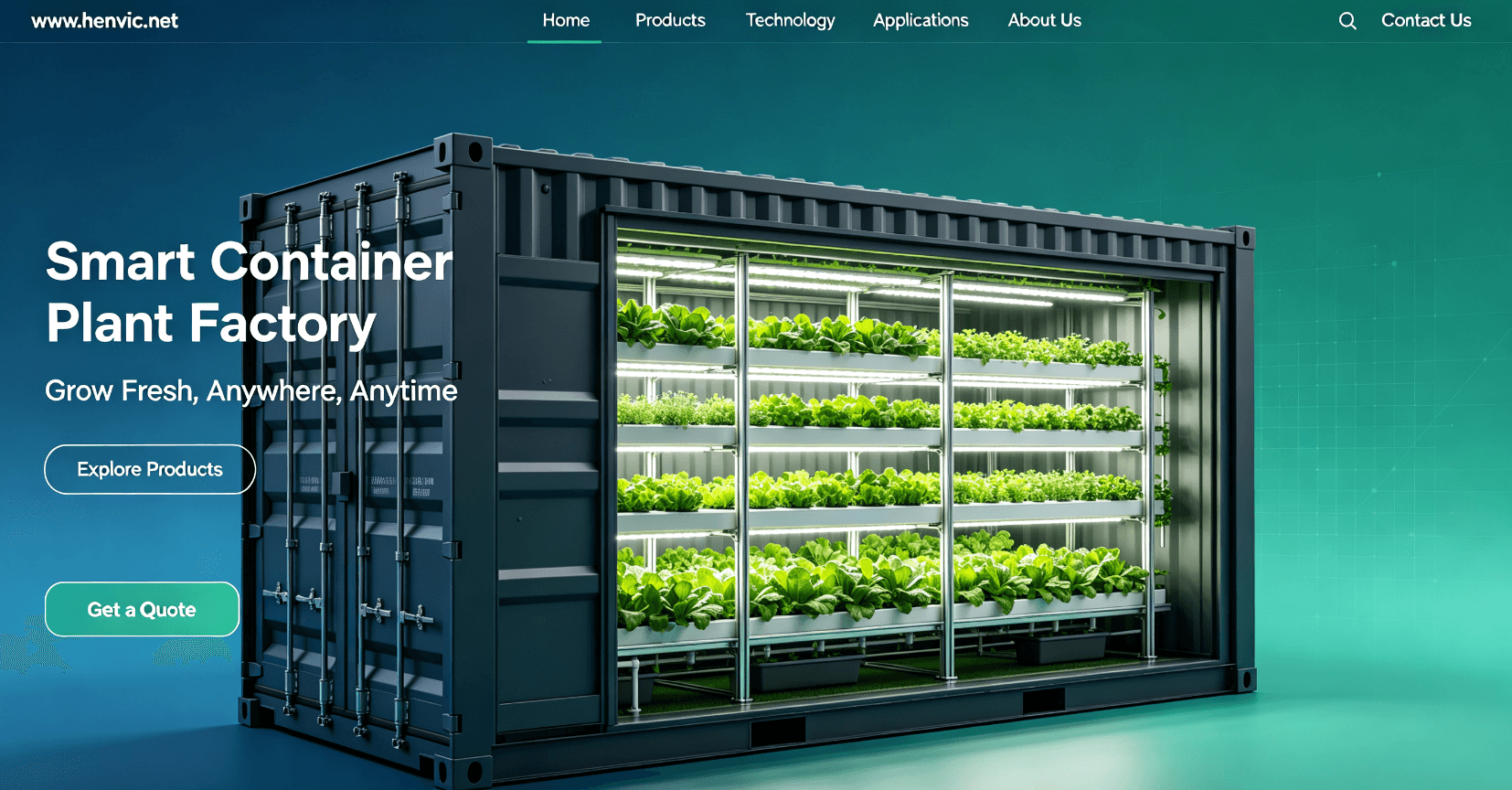
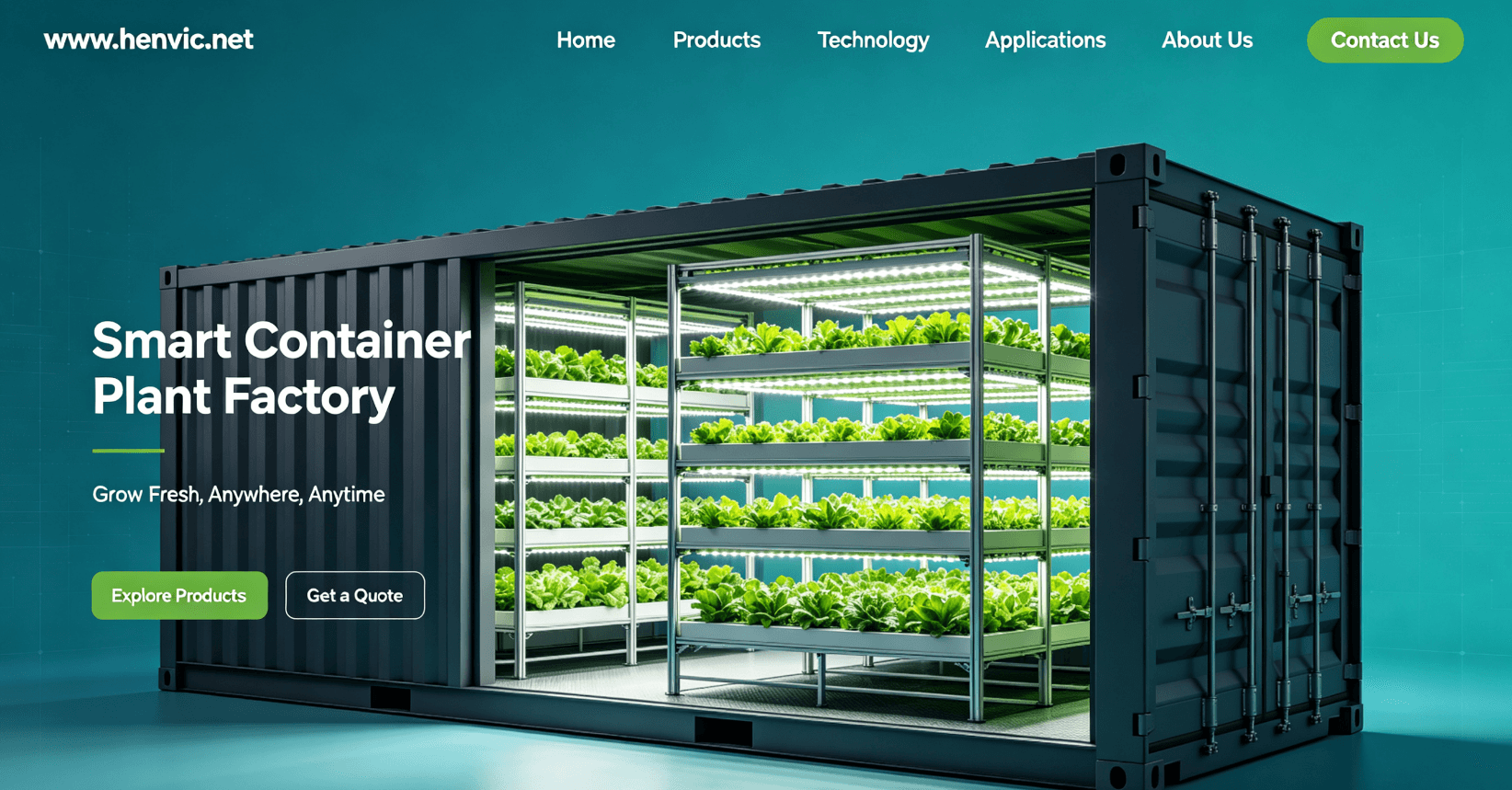
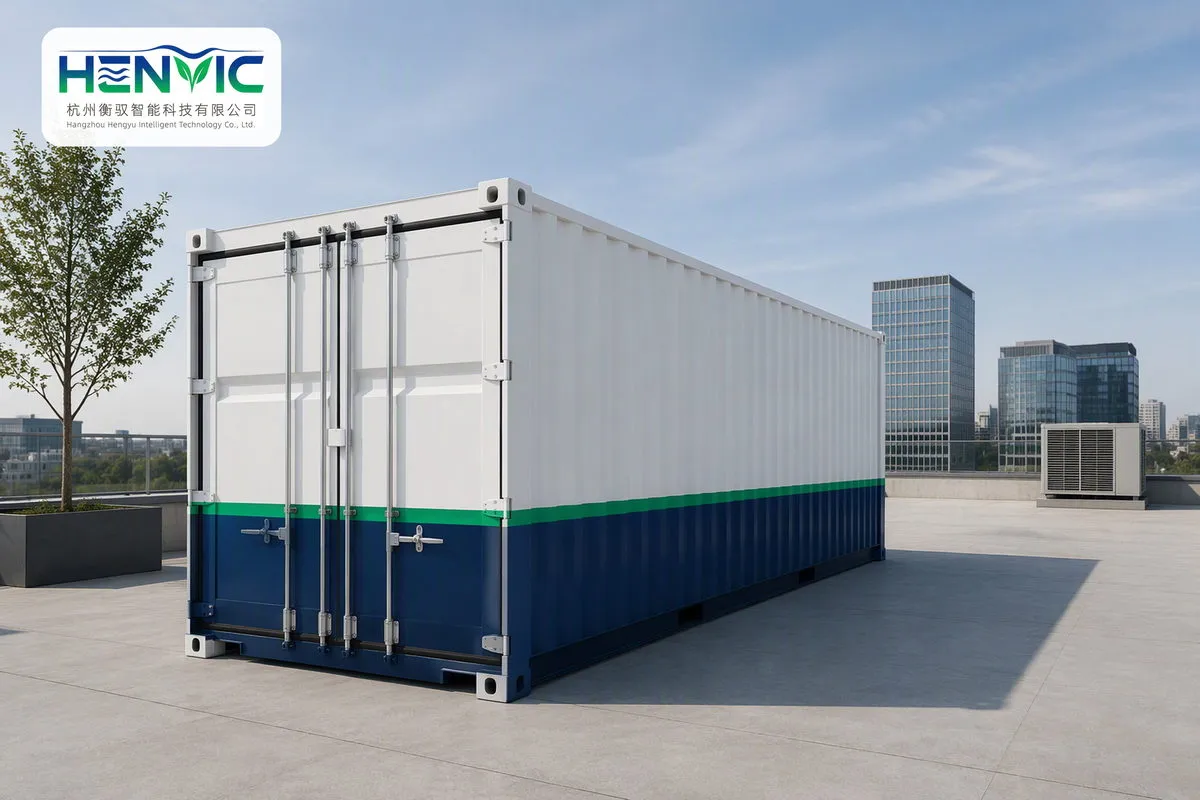
The success of this initiative relied on a fully enclosed, smart farming container equipped with advanced CEA technologies. The container was designed to precisely mimic the ecological conditions required by pine mushrooms while optimizing growth cycles.
1. Simulating the Mycorrhizal Environment
Unlike conventional vegetable farming, pine mushrooms require a living symbiotic environment. Inside the container, the cultivation system utilized specialized substrates infused with mycorrhizal host roots (such as pine or spruce saplings) and organic soil amendments. This setup exactly replicated the acidic, organic-rich soil layers of the wild forest floor.
2. Precise Environmental Control
The container featured a highly responsive IoT (Internet of Things) system that managed all environmental parameters. The HVAC unit maintained a constant temperature of approximately 15°C to 18°C, closely matching the cool, shaded conditions of a mature pine forest floor. The automated misting system maintained high humidity (85%–90%) to simulate the damp understory environment, while continuous fresh air injection and HEPA filtration prevented airborne pathogens and maintained the required air exchange rates.
3. Tailored Lighting and CO₂ Management
Pin formation is highly sensitive to light. The container was fitted with adjustable LED panels emitting specific blue and ultraviolet wavelengths, which served as precise biological triggers to stimulate pinning. Additionally, CO₂ levels were carefully monitored, keeping concentrations at an optimal level to support efficient photosynthesis without causing stunted cap development.
Operational Achievements and Market Impact
Within six months of operation, the project achieved remarkable milestones that reshaped the local agricultural market:
Increased Yield and Reduced Time to Harvest: By maintaining a stable, optimal environment, the mycelium colonized the substrates rapidly. The container system achieved a harvest cycle that was significantly faster than traditional attempts, consistently yielding high-quality pine mushrooms free from insect damage or environmental stress.
Premium Quality and Food Safety: Because the environment was completely isolated from wild ecosystems, the pine mushrooms were entirely free of pests and required zero pesticides. The produce maintained uniform size, firm texture, and a distinct, rich aroma—qualities highly praised by high-end culinary establishments.
Stable Supply Chain: Unlike traditional seasonal harvests, the container-based model allowed for year-round production. This continuous supply provided a reliable source for wholesalers and stabilized market prices, allowing the company to sell directly to upscale restaurants and gourmet markets.
Economic Viability and Scaling Potential
The economic benefits of the container model became immediately apparent. By significantly increasing yield per square meter and reducing reliance on unpredictable wild harvests, the company secured impressive profit margins. The automation of the container also drastically reduced labor costs compared to traditional manual harvesting.
Following the success of the Vancouver pilot, the company embarked on an expansion strategy, deploying additional modular containers across Canada. This scalable model proved that pine mushroom cultivation could transition from a seasonal foraging practice to a modern, industrial agricultural endeavor.
Conclusion
The successful cultivation of pine mushrooms in containers represents a watershed moment in the specialty mushroom industry. By conquering the biological complexities of mycorrhizal relationships through advanced climate control and simulated forest environments, modern agriculture has unlocked a sustainable solution to meet global demand. As cultivation technology continues to evolve, containerized pine mushroom farming will undoubtedly become a cornerstone of the high-value agricultural sector, providing abundant, high-quality mushrooms while reducing the pressure on fragile wild ecosystems.