Abstract
In response to urbanization, shrinking arable land, and increasing demand for fresh and high-quality produce, container cultivation of leafy vegetables has gained global recognition as an innovative agricultural model. Through highly controlled growing conditions, these systems facilitate low-carbon, high-yield, and sustainable production in constrained spaces. This article presents several representative successful cases from around the world, highlighting their backgrounds, practices, results, and lessons learned, with the aim of providing references for the global promotion and optimization of container-based leafy vegetable cultivation.
I. Introduction
Conventional soil-based leafy vegetable cultivation relies heavily on climatic conditions, land resources, and soil quality, making it increasingly challenged by extreme weather, soil degradation, water scarcity, and food supply pressures. Container cultivation solves these problems through modularization, precise environmental control, and the efficient utilization of confined spaces, and has become an important innovation in smart agriculture and urban agriculture worldwide. Scandinavia, North America, and other regions have successfully deployed container systems to produce leafy vegetables with significant ecological and economic benefits.
II. Norway: AeroFarms’ Deployment in Norway
Case Background
Norway has limited arable land and a cold, dark climate, especially in winter, when sunlight is scarce and imports dominate the fresh vegetable market. To reduce reliance on imports, enhance local self-sufficiency, and promote environmentally friendly production, Norway has introduced advanced indoor farming technologies for containerized leafy vegetable cultivation.
Key Practices
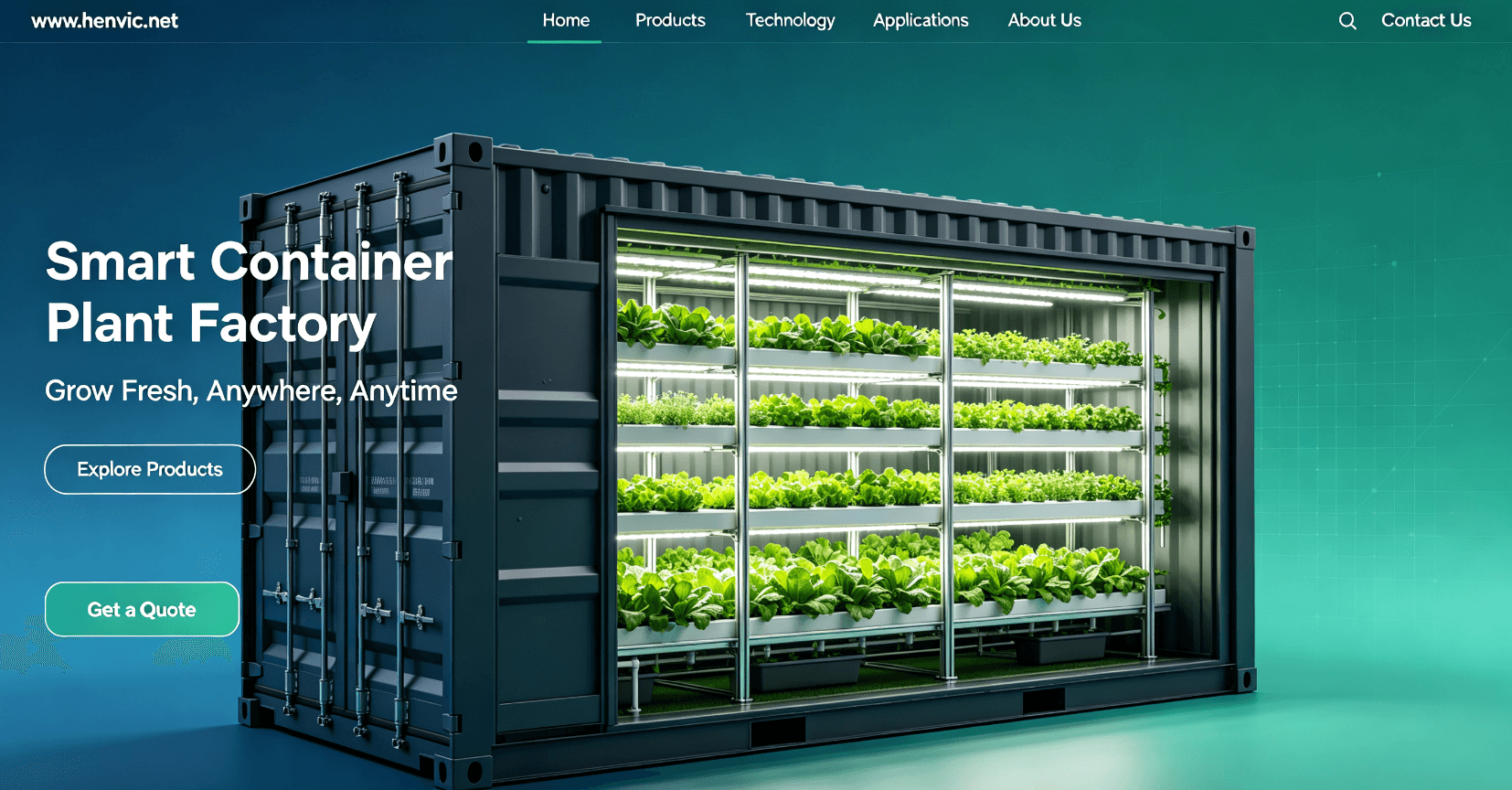
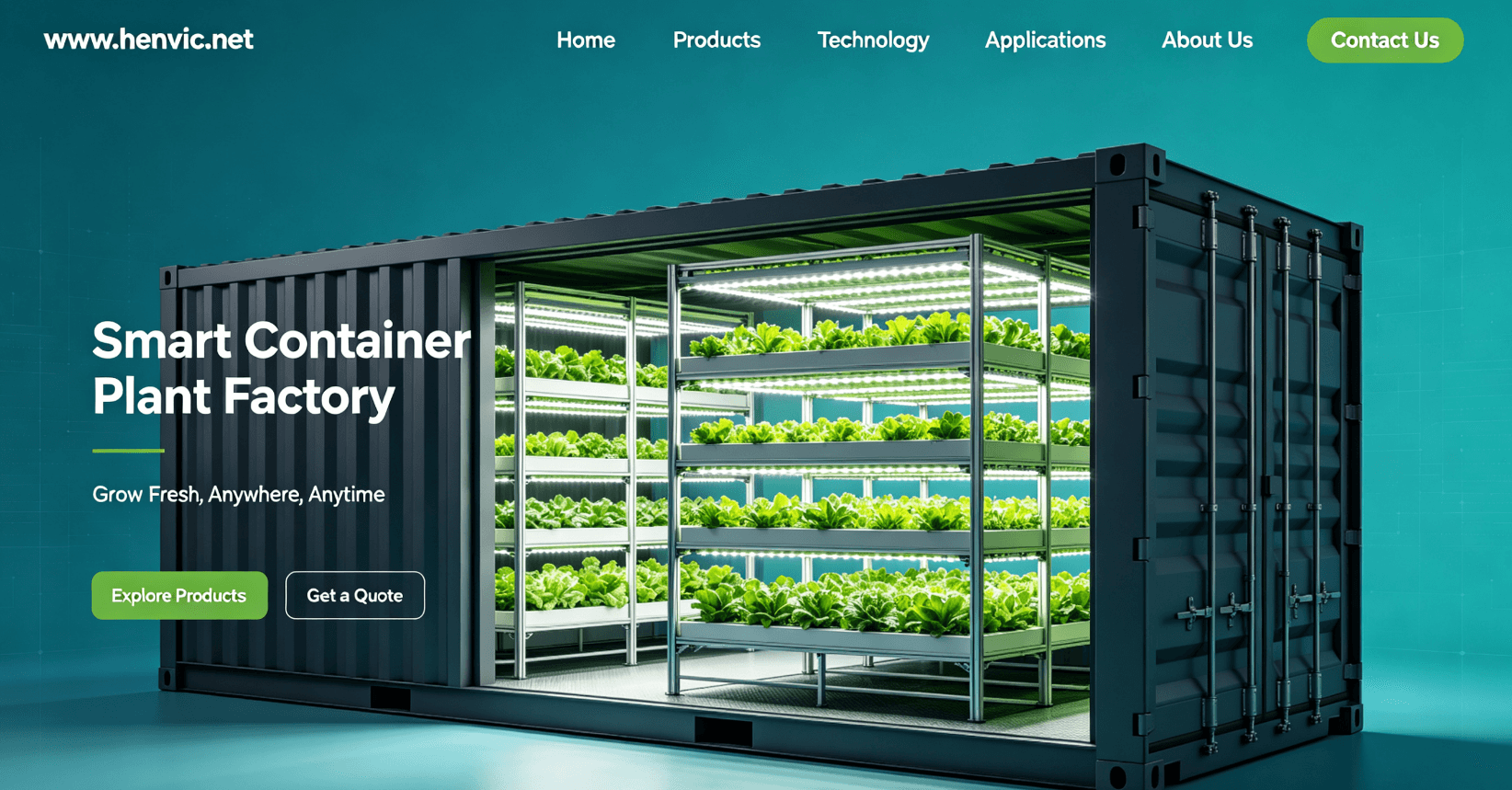
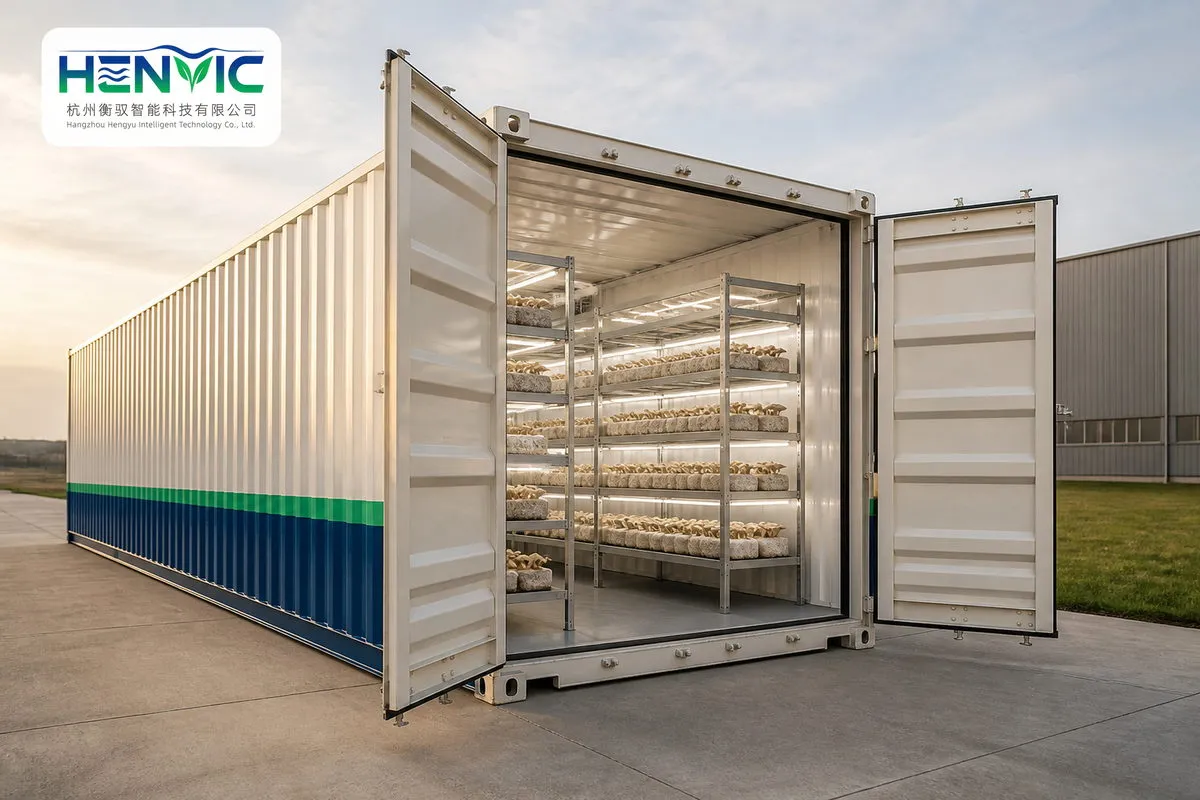
Norway has partnered with leading agricultural technology enterprises, leveraging container farms for short-cycle, water-saving hydroponic cultivation. These stacked planting units are placed inside containers, creating a favorable growing environment. The facilities adopt LED plant growth lighting systems, automated air regulation, and intelligent nutrient supply. Water requirements are reduced by over 90% compared to traditional farming, while space is increased by several times. Pest and disease management focuses on environmental control, avoiding the use of pesticides, ensuring that products are safe, organic, and pollution-free.
Outcomes and Benefits
Container cultivation of leafy vegetables in Norway has significantly shortened the supply chain. Because installation is possible within urban areas or near wholesale markets, transportation time is significantly reduced, and product freshness is greatly improved. Yields are remarkably increased, and energy consumption is continuously reduced through energy-efficient equipment design.The successful model also provides technical support and application demonstration for vertical farming in Nordic countries.
III. Japan: Tokyo Girls Farm and Leafy Greens in Containers
Case Background
Japan's population density and limited arable land provide little room for traditional agriculture. Especially in large cities, the mainsupply model is distant production and cross-regional transportation, which increases carbon emissions and freshness loss. To solve local food self-sufficiency and shorten storage time, Tokyo has actively developed containerized urban agriculture.
Key Practices
There are urban farms in Tokyo utilizing containers as micro-production units. The interior is equipped with a small-scale hydroponic circulation system, LED lighting, and precise temperature and humidity control. Each container can accommodate multiple layers of leafy vegetables including lettuce, water spinach, and garland chrysanthemum. The system coordinates the entire process of seeding, seedling, growth, and harvesting. In terms of environmental control, conditions are adjusted according to real-time data such as light intensity, temperature, humidity, and nutrient solution EC value. The plants grow healthier, and lettuce growth cycles are reduced by more than 25%.
Outcomes and Benefits
Such container farms not only bring agricultural production directly into urban spaces, but also fully utilize rooftops and idle corners of buildings, greatly improving the utilization rate of limited spaces. Product quality is uniform, safe, and free from pesticides. The system can run stably all year round, avoiding seasonal limitations. In addition, agricultural technology popularization and educational experiences are integrated to enhance public awareness of modern agriculture, reflecting the positive impact of container planting on urban functions.
IV. United States: Urban Leafy Vegetable Containers in California
Case Background
California, with its high population density and limited gardening space, has some social enterprises and agricultural technology companies focusing on container plant factories. These are used to supply safe, local, and fresh leafy vegetables to residents. Particularly as climate issues intensify and food security concerns grow, the development of flexible containers has become a significant trend in American urban agriculture.
Key Practices
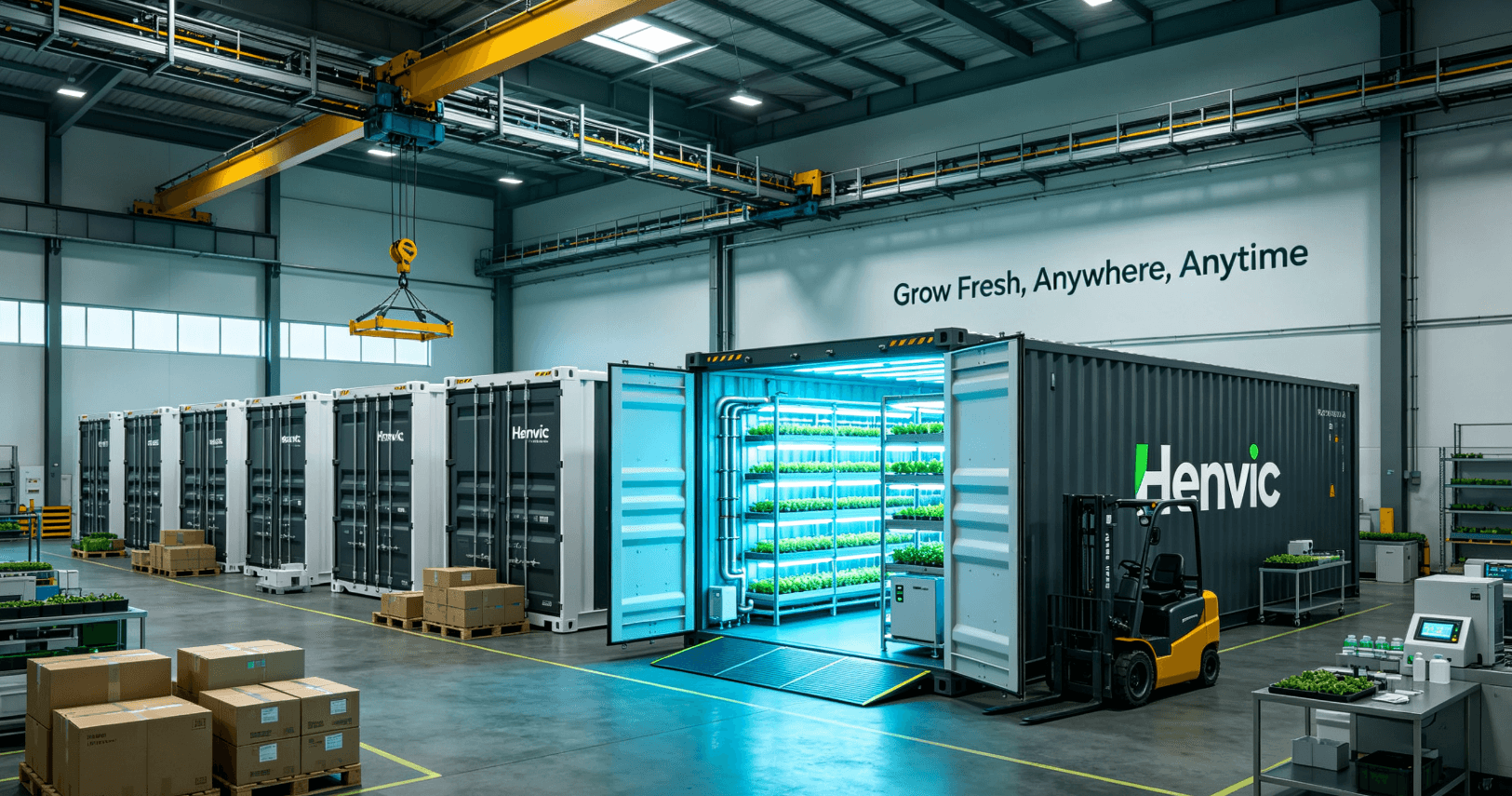
Container leafy vegetable farms in California emphasize energy conservation and modular plug-and-play installation. Functionssuch as air ventilation, temperature control, nutritional food delivery, and LED light are integrated into a single container for simple operation and rapid deployment. For example, lettuces are grown hydroponic in controlled environments, seedlings are automatically transferred to planting racks, constant temperature and humidity are continuously monitored, and supplements like nutrients and carbon dioxide are provided as needed. For the supply chain, the model is flexible, adaptable to various scenarios, and able to provide fresh leafy vegetables to small stores, restaurants, communities, etc.
Outcomes and Benefits
The successful operation of container farms in California has created an efficient and low-carbon production model. Compared with traditional farming, it greatly reduces the use of pesticides and fertilizers. Harvest cycles are shorter, high yields are possible, and soil and climate constraints are almost eliminated. Water consumption is significantly reduced. In addition, localized production effectively reduces carbon emissions from transport, meets the demands for sustainable consumption, and obtains support from local governments and consumers.
V. The Netherlands: AMXY Technology’s Container Farms
Case Background
The Netherlands, known as the “vegetable and flower treasury” of Europe, possesses mature greenhouse horticulture. Due to land resource limitations, farmers are increasingly directed towards container planting for fresh leafy vegetables as a supplement to greenhouse technology.
Key Practices
The Dutch horticultural industry combines container systems with vertical planting racks for indoor leafy vegetable production. Container interiors incorporate intelligent light, ventilation, and automatic feeding systems. With data collection and analysis to optimize planting parameters, the yield and quality of leafy vegetables are maximized. This modelis integrated with clean energy such as solar and wind, reducing environmental dependence.
Outcomes and Benefits
The combination of a container system with mature horticultural technology has prominent productivity advantages. The localized, small-scale container planting model has shortened supply chains and fulfilled the demand for fresh vegetables in the market. The Dutch model establishes high standards in automation and data analysis for container vegetable production, forming a typical benchmark in Europe.
VI. Shared Experience from Global Successes
The successful practices from Norway, Japan, the United States, and the Netherlands have validated the broad prospect of leafy vegetable cultivation in containers. Common successful experiences are summarized as follows:
Rigorous Environmental Control: Precise regulation of temperature, humidity, light, and nutritional availability within containers is foundational for stable yield, quality, and pest reduction.
Smartening and Automation: Widespread application of intelligent systems, cloud control, and remote management significantly reduces labor input and operating risk.
Efficient Use of Limited Resources: Containers allow for applications in rooftops, idle lots, and repurposed buildings, overcoming land limitations and expanding planting boundaries.
Model Flexibility and Replicability: Optimized and standardized sizing, layout, and equipment of containers facilitate rapid global deployment, adaptability to local conditions, and low-cost promotion.
VII. Conclusion
Leafy vegetable cultivation in containers has delivered remarkable results and has become one of the innovative modes of modern agriculture in response to food security and environmental protection. The successful practices in Norway, Japan, the United States, the Netherlands, and other regions have demonstrated the significant advantages of this technology in terms of efficiency, ecological sustainability, and flexible application. Looking forward, with advancements in intelligent technology and the popularization of new energy, container leafy vegetable farming will be further innovated, contributing sustainable development to global food systems.