1. Introduction
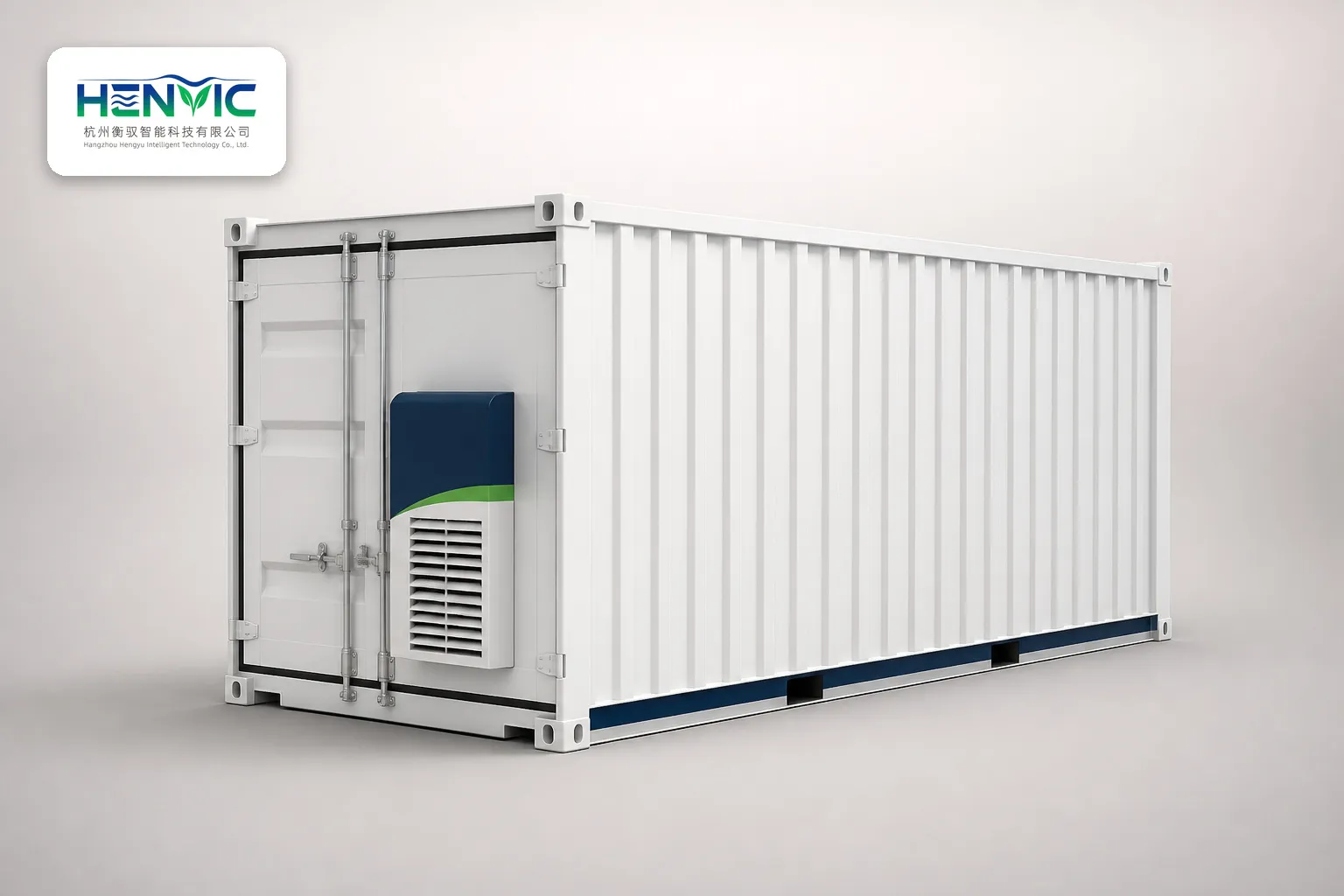
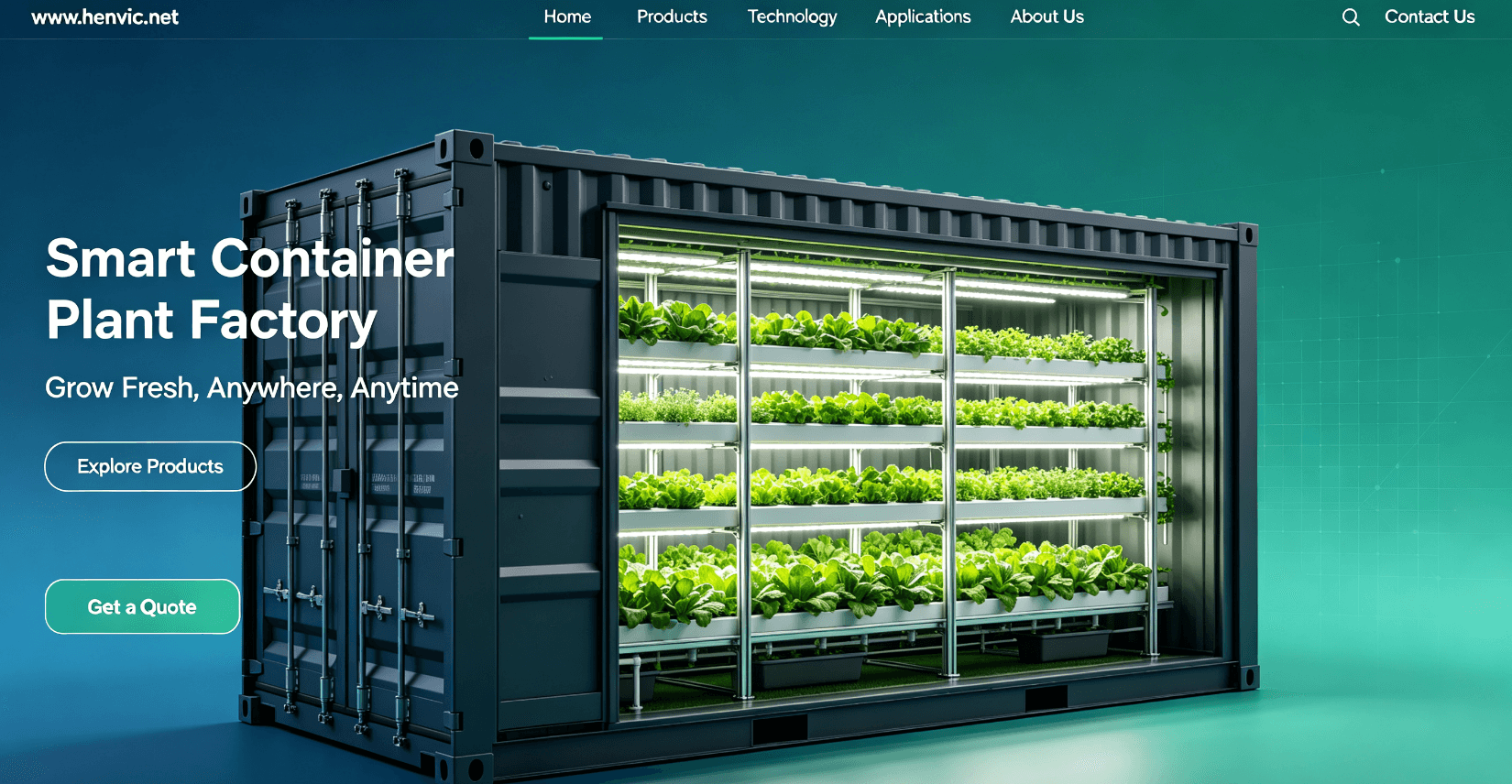
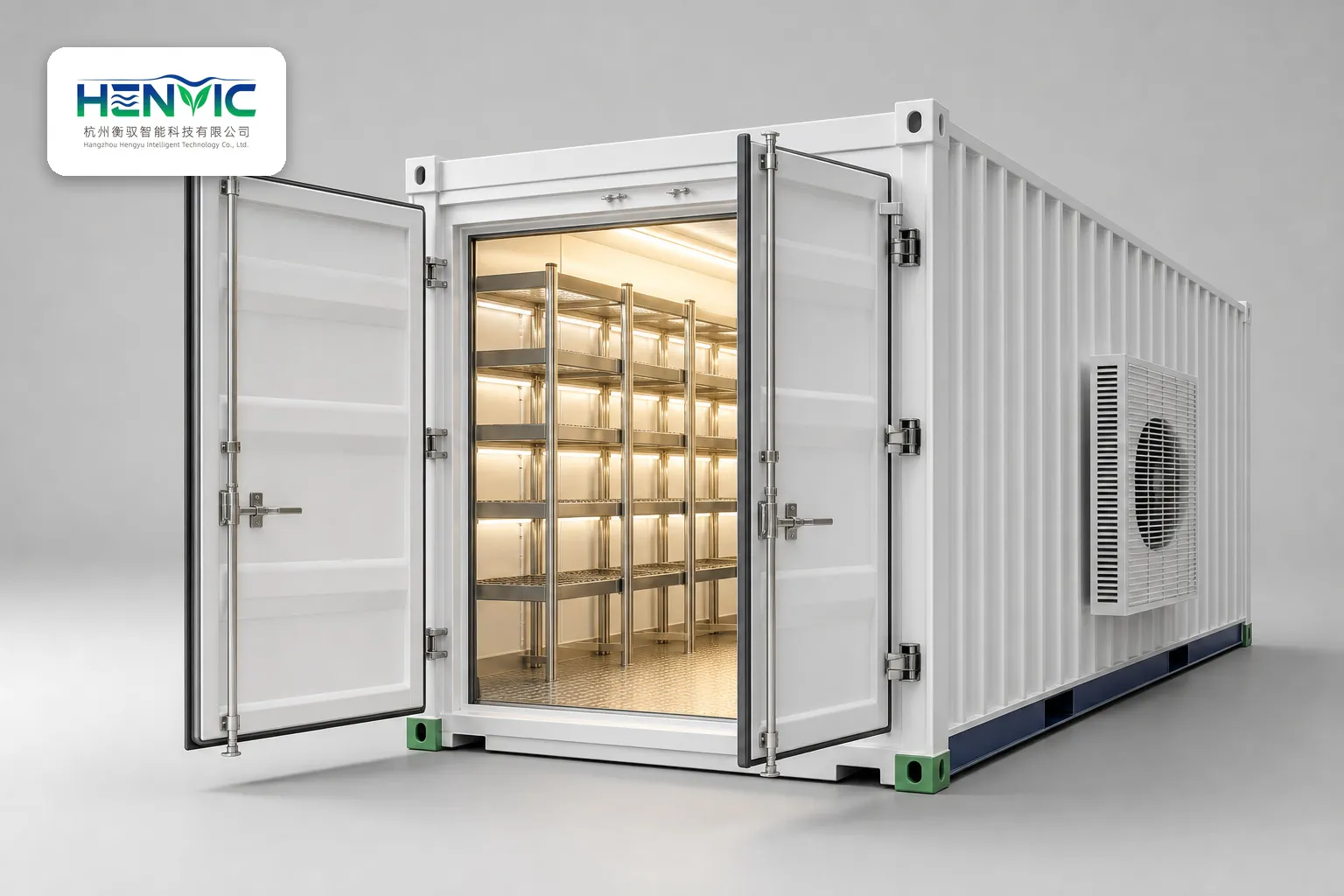
Mushroom cultivation containers are closed, intelligent facilities designed to fulfill the precise environmental and nutritional requirements of edible and medicinal mushrooms. As demand for high-quality, safe, and traceable mushroom products increases, container-based cultivation has replaced traditional open-field or greenhouse farming by delivering stable yields, reduced contamination, and efficient operations. The distinctive nature of mushrooms demands specialized technologies rather than generic agricultural systems.
2. Core Technologies
2.1 Precision Temperature and Humidity Control Technology
Mushrooms are highly sensitive to temperature and humidity fluctuations, which directly affect mycelial growth, primordia formation, and fruiting.
- Temperature Regulation: The container is engineered with thermal insulation and weather resistance. It utilizes circulating liquid cooling or hot air heating modules to maintain an optimal temperature range. This ensures rapid mycelial infiltration and prevents premature or delayed fruiting.
- Humidity Management: A high-precision humidity sensor drives a micron-level atomization humidifier. This maintains a consistent air humidity, which is crucial for cap development and prevents the substrate from drying out.
2.2 Airflow and Gas Regulation Technology
A clean and well-ventilated microclimate is essential for mushroom development.
- Air Circulation: A multi-layer, horizontal airflow design distributes gas uniformly, preventing dead zones where mold or stagnant air can develop.
- Air Purification: Fresh air enters through a multi-stage sterilization and filtration system, removing dust and biological contaminants. An automated CO₂ control system maintains optimal gas levels to enhance yield without causing toxic carbon dioxide accumulation.
2.3 Intelligent Monitoring and Control Platform
The container integrates Internet of Things (IoT) sensors and digital management systems to automate daily operations.
- Real-Time Data Collection: Controllers continuously monitor parameters—including internal temperature, humidity, light intensity, and gas composition—and display the data in a centralized software console.
- Automated Execution: Based on user-defined growth curves, the system automatically activates and deactivates environmental devices, reducing manual labor and eliminating human error.
- Remote Management: Mobile or web access enables farmers to adjust parameters and check system status remotely, ensuring continuous monitoring.
2.4 Sterilization Technology
The biological purity of the cultivation environment determines the success rate of mushroom cultivation.
- Multi-Mode Disinfection: The container employs dynamic sterilization, including UV light and sterile air injection, to kill surface pathogens and prevent contamination.
- Strict Boundary Protection: By maintaining positive pressure inside the container, it prevents external contaminants and pests from entering the growing area.
2.5 Cultivation Substrate and Hydration Technology
This technology forms the nutritional foundation for mushroom growth.
- Precision Hydration: Automated batching and a closed-loop water circulation system deliver precise nutrient and moisture levels directly to the substrate, ensuring uniform nutrition without resource waste.
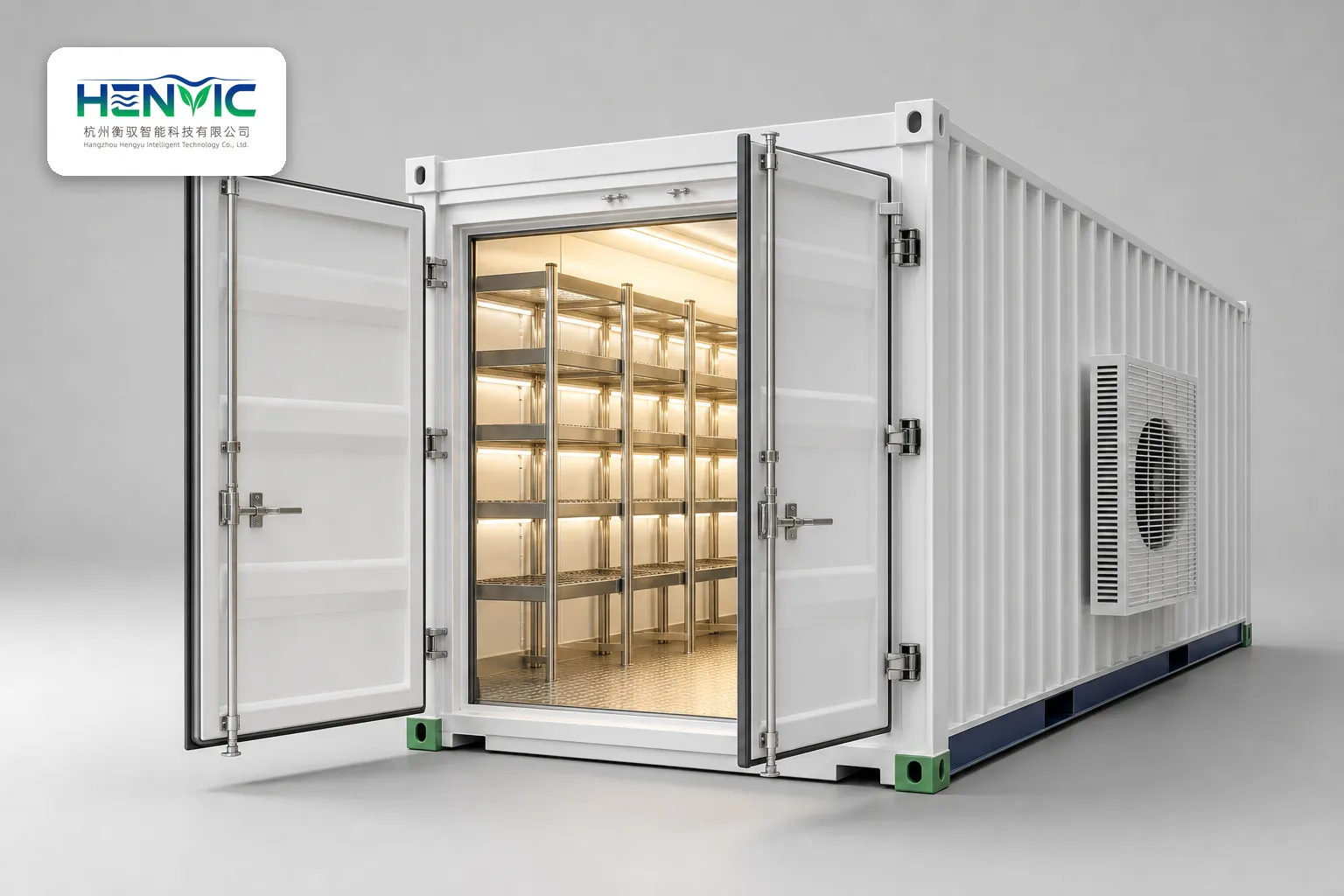
- Cultivation Methods: The container is designed to support either block cultivation or shelf-based growing. In traditional block or bag cultivation, a material-handling system manages the key phases.
- Root Path Management: In specific cultivation setups, an intelligent irrigation loop regulates water and oxygen levels for plant health and maturation.
2.6 Modular Structural Design
The container structure is designed for reliability and scalability.
- Material Integrity: The inner chamber utilizes corrosion-resistant, non-toxic, and moisture-proof materials that are easy to clean and maintain.
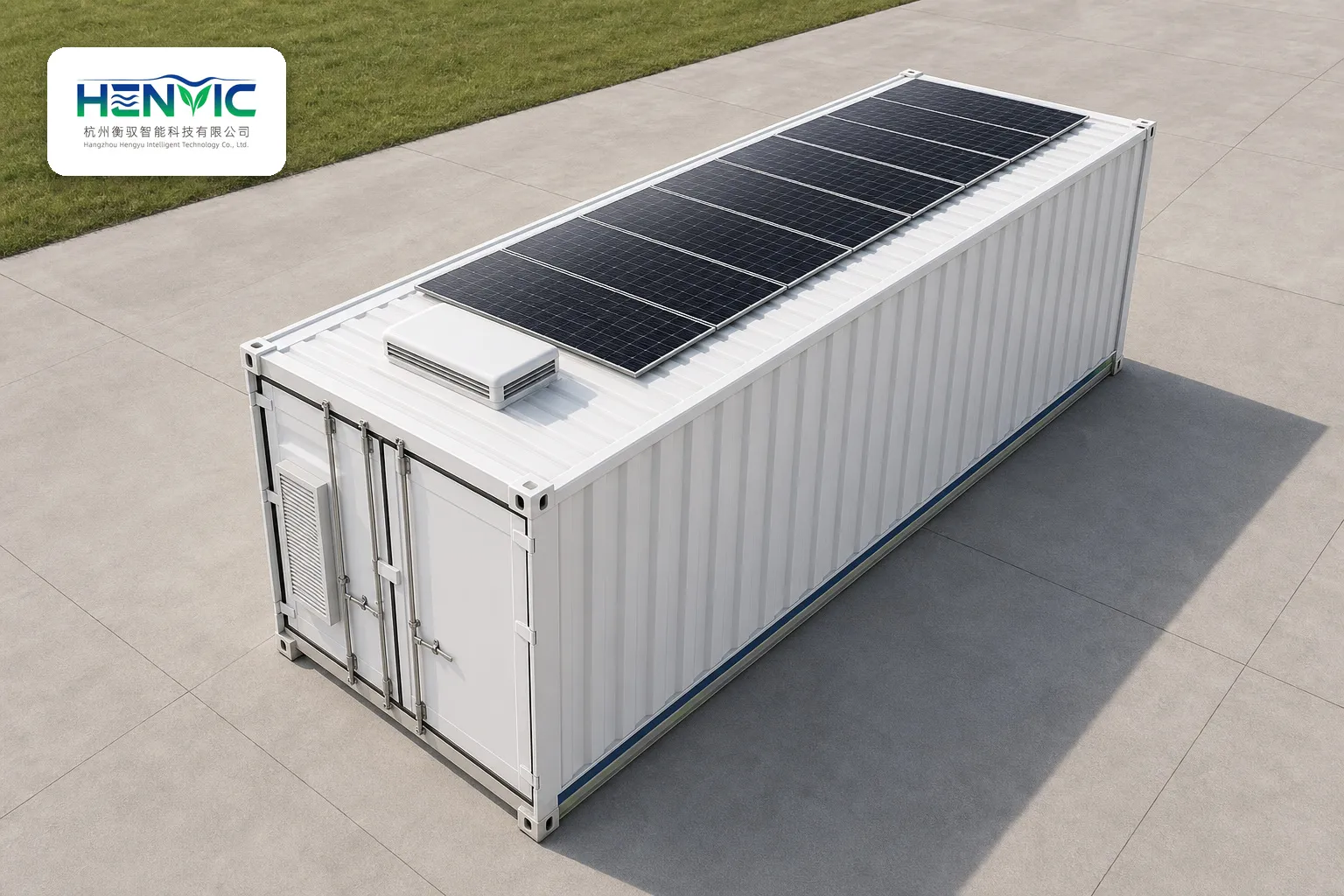
- Flexible Scaling: With standardized interfaces, multiple containers can be linked together to scale production while preserving a consistent internal environment.
3. Technical Advantages
- Stable Yield: Independent control eliminates the impact of seasonal and weather changes, ensuring a consistent product flow year-round.
- High Purity: Effective sterilization and environmental isolation minimize contamination losses, making them suitable for premium markets.
- Resource Efficiency: Automated controls and recycling systems reduce water, electricity, and labor usage, lowering operational costs for businesses.
4. Conclusion
The mushroom cultivation container represents a transformation in agricultural cultivation by integrating precision environmental control, intelligent monitoring, and strict sterilization. By mastering these core technologies, cultivators can achieve reliable yields and provide high-quality mushrooms to meet global demand. As the technology advances, these containers will continue to play a vital role in modern mushroom production.