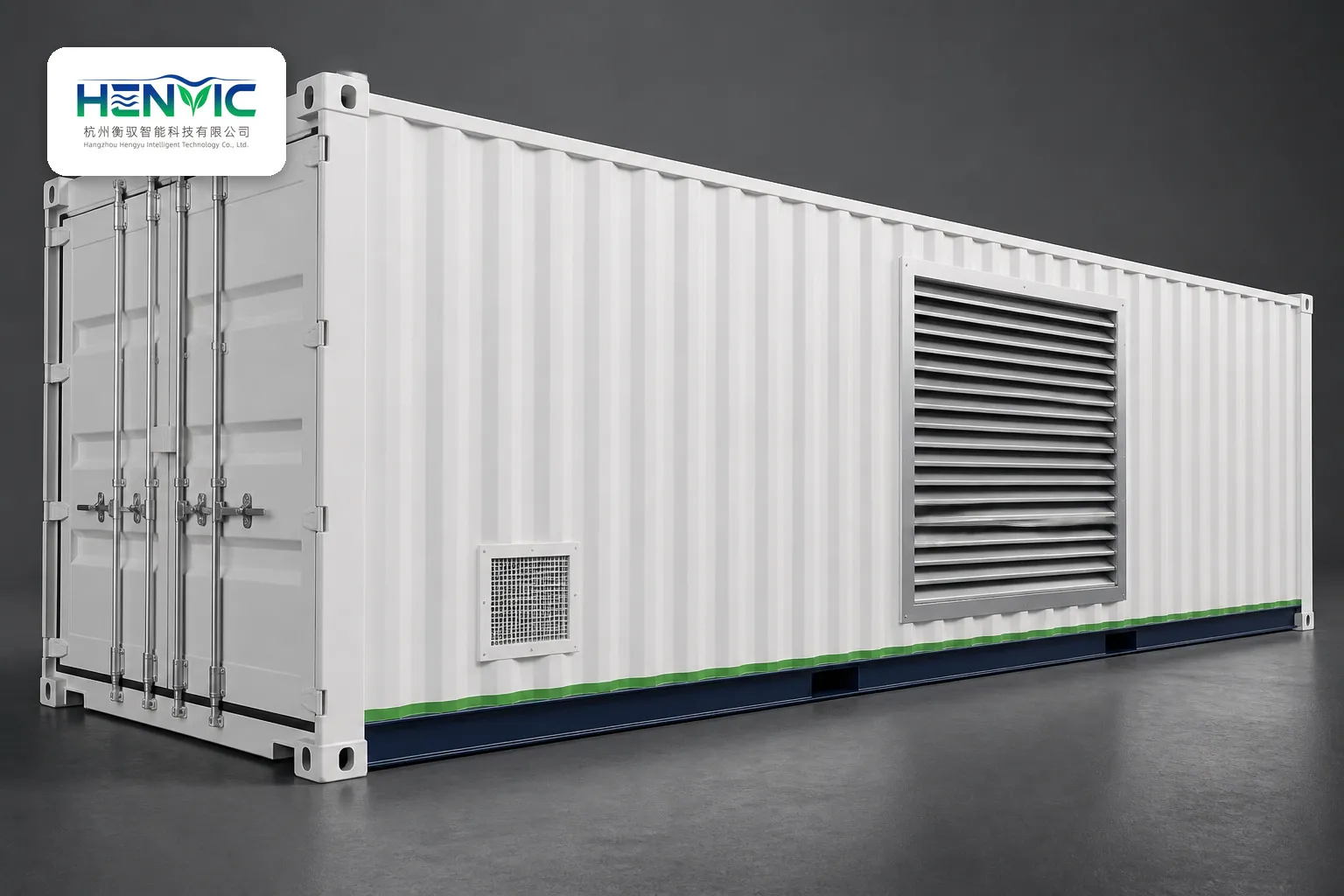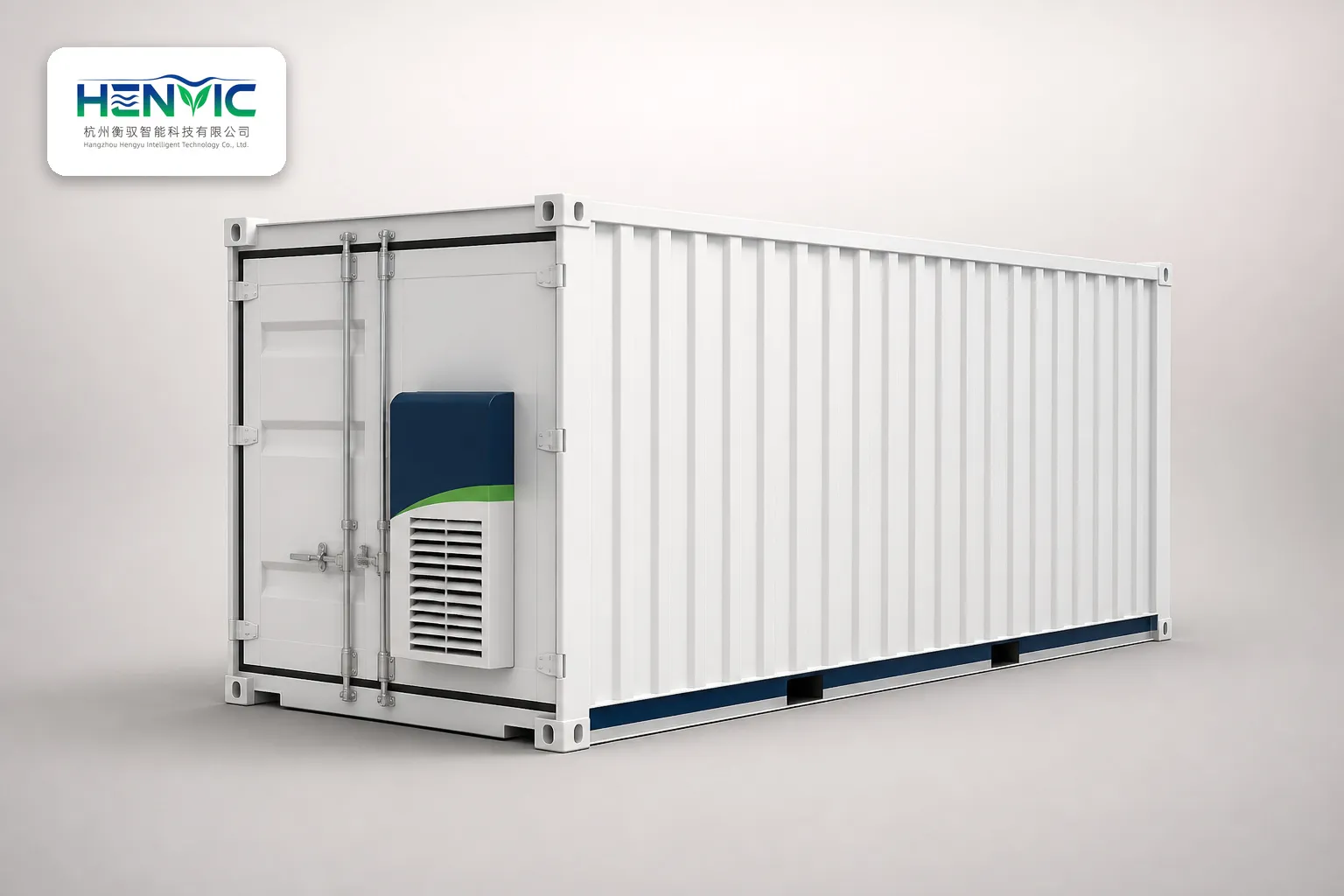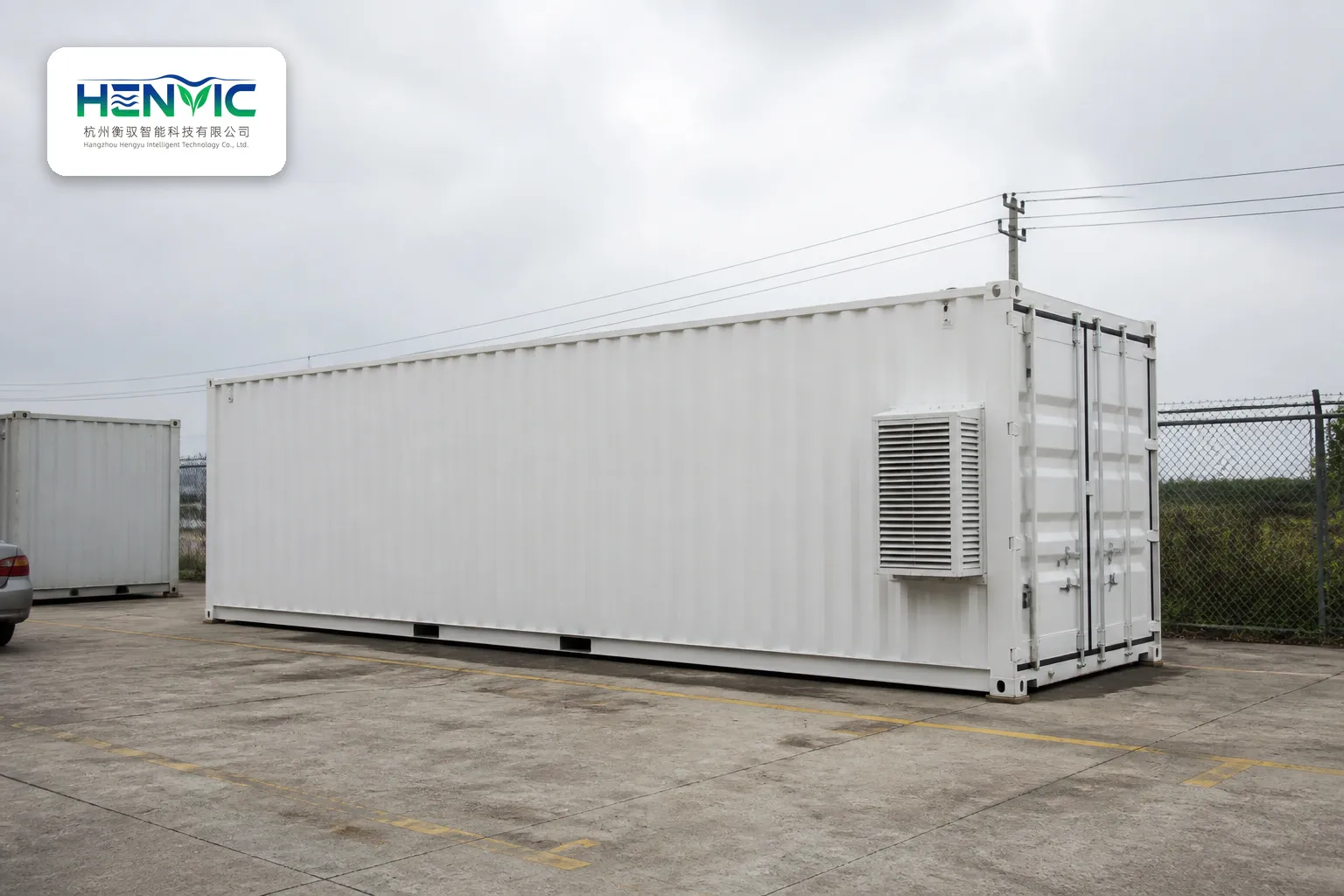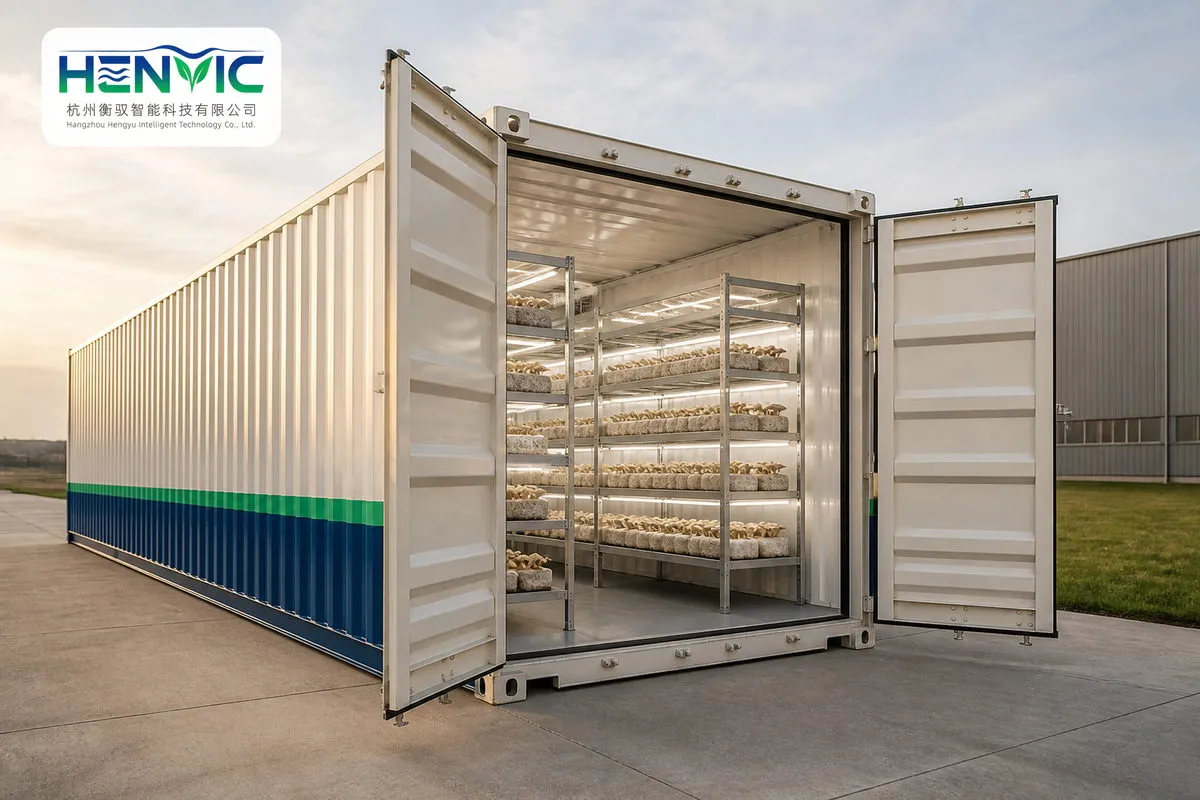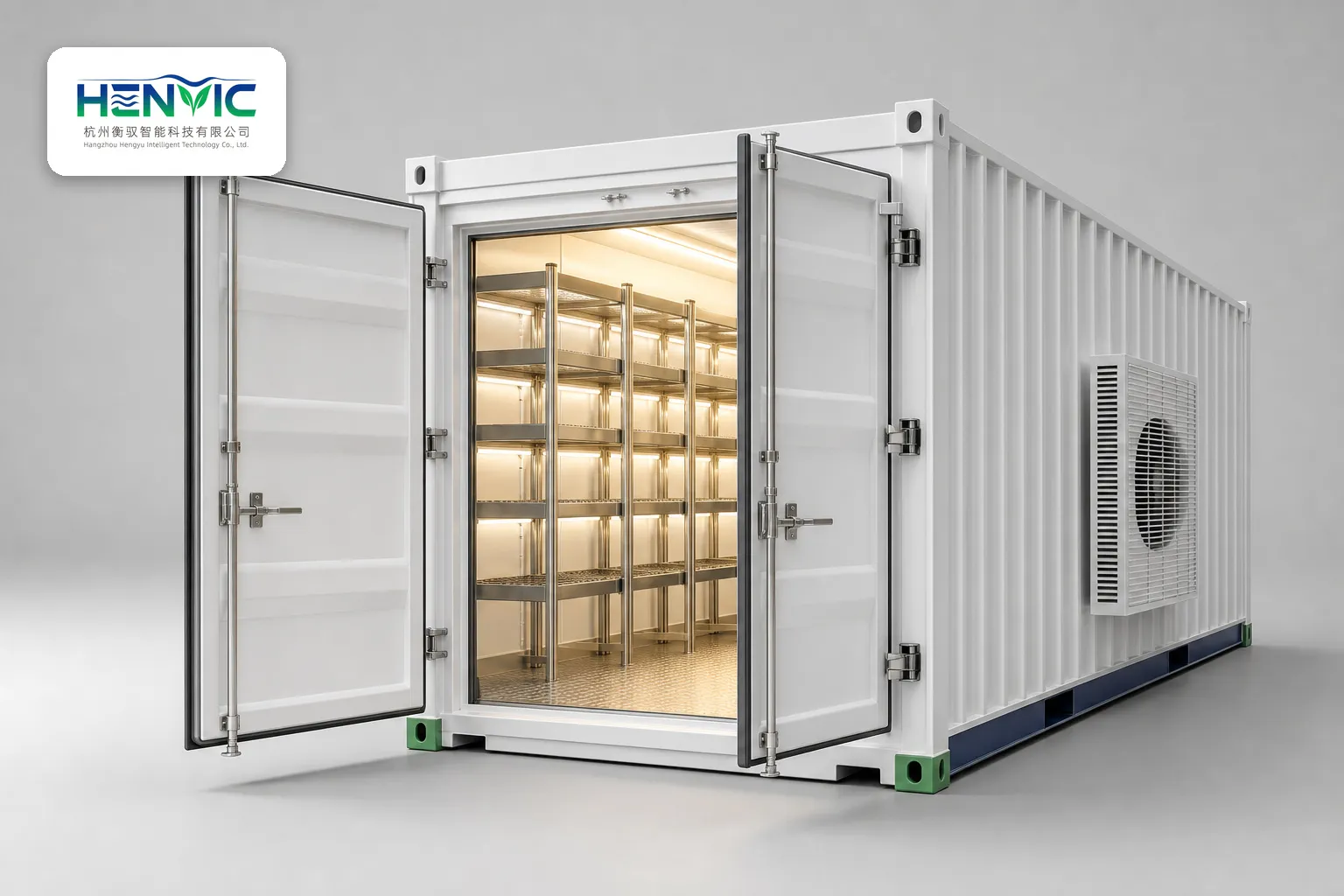
Traditional open-field spinach cultivation is highly vulnerable to uncertain weather conditions, seasonal limitations, and soil degradation. As a result, containerized hydroponic technology—precisely integrating modular shipping containers with advanced indoor farming systems—has emerged as an advanced solution for sustainable leafy green production. This article provides a comprehensive breakdown of this technology, detailing its system architecture, environmental control, operational workflows, and multifaceted advantages.
1. Core Concept and System Architecture
The core concept of spinach cultivation in a container involves transforming a standard universal shipping container or a purpose-built structural module into a fully enclosed, climate-independent growth chamber. By isolating the crops from the external environment, the system guarantees a stable, predictable yield independent of seasonal changes.
A typical commercial spinach container unit is equipped with the following core components to form a diversified technical matrix:
- Container Structure: High-quality steel containers, often coated with polyurethane for thermal insulation, act as enclosed growing spaces. The exterior structure effectively blocks pests and harsh weather, while copper-infused antimicrobial paints are typically applied internally to maintain baseline hygiene and prevent microbial accumulation.
- Hydroponic System: Instead of soil, spinach relies on nutrient-rich water. Depending on the target crop variety and investment budget, cultivation can utilize either the Nutrient Film Technique (NFT) or the Deep Water Culture (DWC) system.
- NFT: A thin film of nutrient solution constantly flows over the bare plant roots, closely mimicking the rapid leafy green growth pattern and ensuring high oxygen exposure.
- DWC: Seedlings are supported on floating platforms in deep nutrient reservoirs. This system is ideal for lower-dwarf leafy greens, providing excellent root insulation in regions with extreme temperature fluctuations.
- LED Grow Lights: High-efficiency, tailored LED wavelengths are deployed to provide the necessary photosynthetic active radiation (PAR), replacing sunlight and ensuring rapid growth.
- Environmental Control Unit (ECU): An automated ceramic filter and true HEPA ventilation system acts as the "lungs" of the container, while a centralized climate controller continuously monitors and adjusts internal variables.
- Sensor Arrays: Real-time sensors track carbon dioxide (CO2) levels, dissolved oxygen, electrical conductivity (EC), and the pH balance of the nutrient solution.
2. Environmental Control and Parameters
Precision is the cornerstone of containerized spinach cultivation. Because the system is entirely indoors, growers must simulate and maintain the ideal microclimate across several key dimensions:
- Lighting: Spinach is a short-day or day-neutral plant. The LED lighting follows specific dimming schedules—typically 12 to 16 hours a day—carefully mimicking natural day-night cycles. Light intensity is strictly maintained between 150-250 µmol/m²/s to avoid leaf burn while ensuring vibrant green coloration and thick leaves.
- Temperature and Humidity: The optimal temperature for spinach growth ranges between 18°C and 22°C. Given that the enclosed container easily retains heat from the lighting array, the integrated HVAC (Heating, Ventilation, and Air Conditioning) unit actively cools the space. Relative humidity is typically controlled between 60% and 75% to prevent bacterial diseases without causing excessive transpiration.
- CO2 Enrichment: Elevating CO2 levels to 800–1200 ppm can significantly accelerate photosynthesis. Advanced units employ commercial CO2 generators or compressed gas cylinders to optimize growth trajectories and reduce the overall cultivation cycle.
- Nutrient and Root Zone Management: The root zone is strictly tuned. The pH level of the circulating nutrient solution is stabilized within the 5.5 to 6.5 range, where spinach optimally absorbs macro- and micronutrients. The electrical conductivity (EC) is maintained at roughly 1.2 to 1.8 mS/cm for a standard leafy green formula, supported by a closed-loop filtration system that continuously monitors and replenishes the solution.
3. Operational Workflow
Running a containerized spinach farm requires strict adherence to a continuous production pipeline. The workflow is structured around efficiency and hygiene:
- Seed Preparation and Germination: High-yield spinach seeds are sown in the dark using biodegradable rockwool or peat plugs. The germination chamber maintains high humidity (approx. 90%) and moderate warmth to break dormancy, while strict sanitary protocols prevent seedling damping-off.
- Transplanting: Once the first true leaves emerge, seedlings are transferred to the hydroponic channels or floating platforms inside the container. Seedlings are spaced according to a meticulous density protocol, usually around 15-20 cm apart, to give the rapid leaf expansion ample room.
- Growth Management: Automated systems handle daily nutrient injections, water recycling, and systemic equipment checks. Root zone health is monitored daily, with the plumbing system preventing algae buildup in exposed channels.
- Pest and Disease Management (IPM): While pests are largely eliminated by the sealed environment, preventative IPM incorporates strict hygiene protocols. The isolated HEPA filtration prevents airborne infiltration, while standardized deep cleaning cycles and the application of predatory insects (if absolutely necessary) ensure security.
- Harvesting: After 25 to 35 days, the spinach reaches commercial maturity. Harvesting is executed manually using sanitary tools or via light-cutting automated combing arms, optimizing speed while minimizing mechanical damage.
4. Advantages and Technological Innovations
The implementation of this technology offers profound advantages that directly address agricultural challenges:
Unprecedented Land and Spatial Efficiency
Containerized systems capitalize on vertical spatial utilization, multiplying the crop yield per square meter compared to traditional flat fields. Crucially, they can be deployed in environments where arable land is scarce—such as dense urban centers, rooftops, desert outposts, or even offshore research stations—achieving true "zero-mile" food production.
Unparalleled Food Safety
The complete isolation from external soil eliminates the risk of soil-borne diseases, ground-level heavy metal accumulation, and pathogen contamination in钡土壤 for spinach. Furthermore, the containerized environment allows for clean-room protocols, marking a transformative leap in high-tech agricultural hygiene and guaranteeing the supply of clean, residue-free produce.
Water and Resource Conservation
Through continuous closed-loop recycling, the water utilization rate of evaporating杜绝 waste reaches over 90%, making it an exceptionally water-friendly model. By converting otherwise unfertile areas into highly productive green hubs, the technology maximizes spatial efficiency while drastically reducing the carbon footprint associated with long-haul transportation and traditional chemical runoff.
Technology Upgrades
Modern spinach container units are increasingly defined by digitalization. Sensor nodes and edge computing modules facilitate real-time monitoring, while external mobile applications allow for remote diagnostics and real-time adjustments to the growth formulas.
5. Future Outlook
Containerized spinach cultivation is a clear beacon of modern smart agriculture. By meeting the stringent requirements of the urban food system—such as ensuring the "last-mile" supply chain while reinforcing food safety—it presents an exemplary model of utilizing marginal spaces. Despite the higher initial investment, the rapid turnover and significant yield per cubic meter guarantee favorable long-term returns.
Looking ahead, as artificial intelligence, automated harvesting arms, and affordable clean energy converge, spinach container farms are poised to transition from a niche innovation to a foundational pillar of the future urban food system, ensuring reliable access to fresh leafy greens in any geographic location.