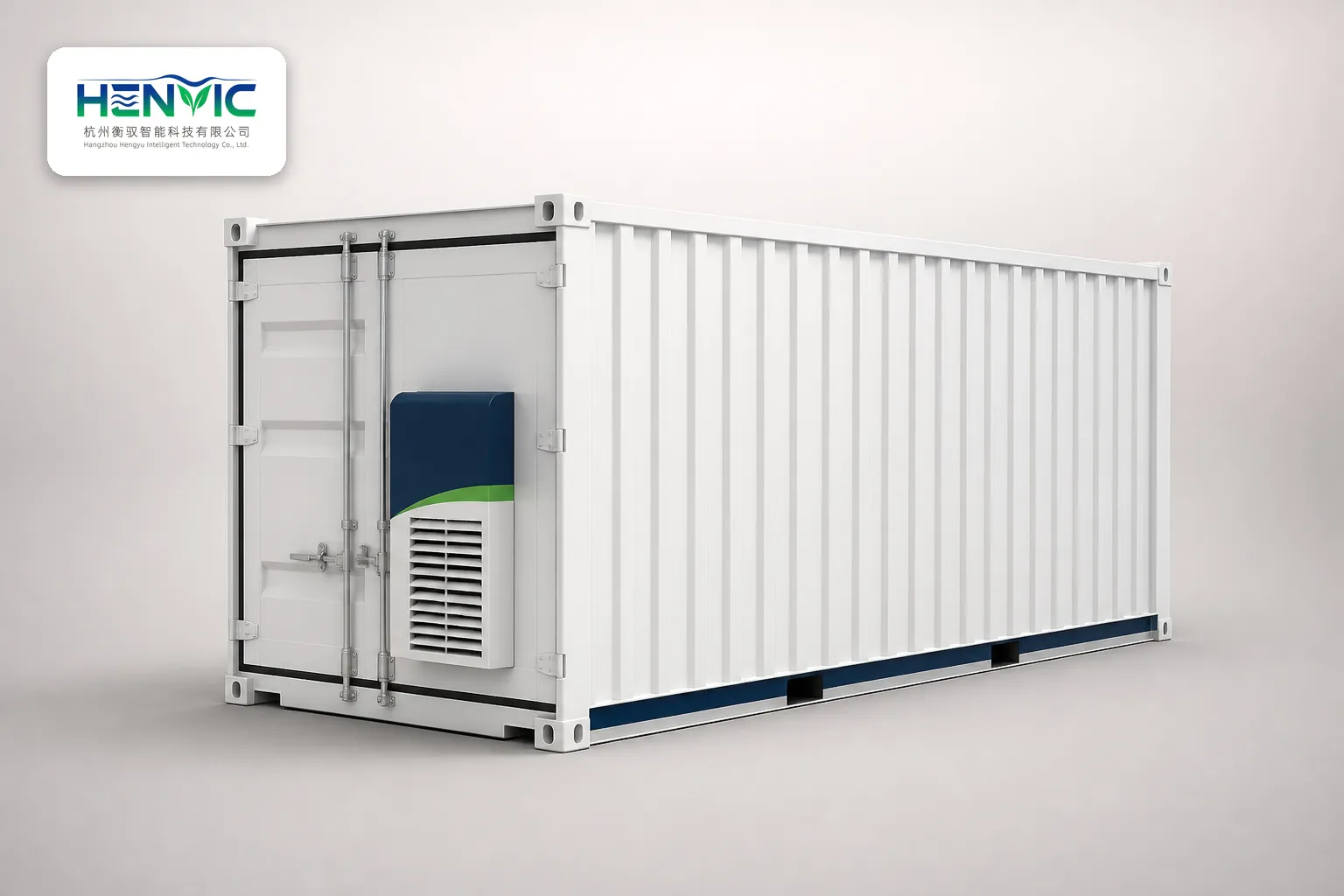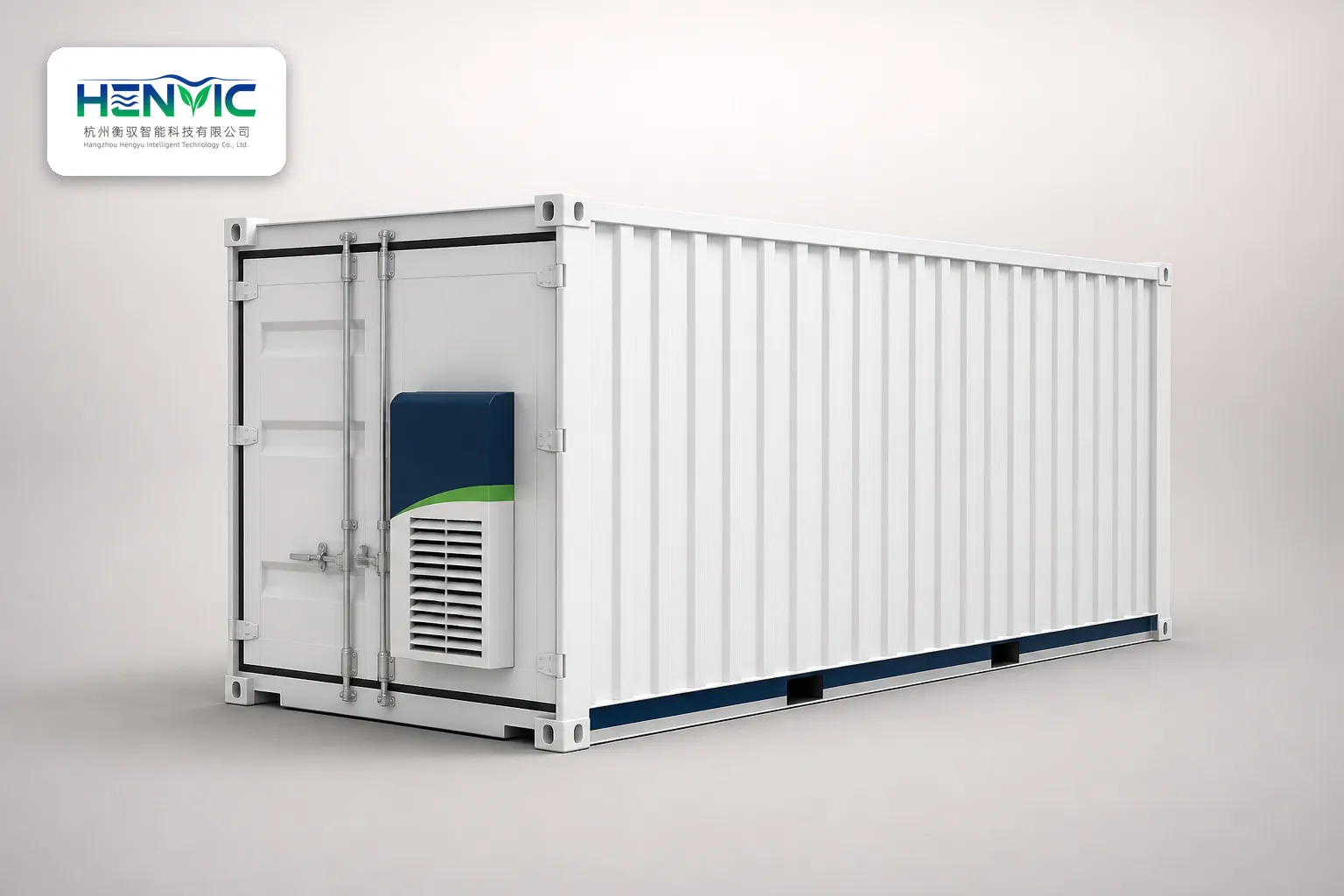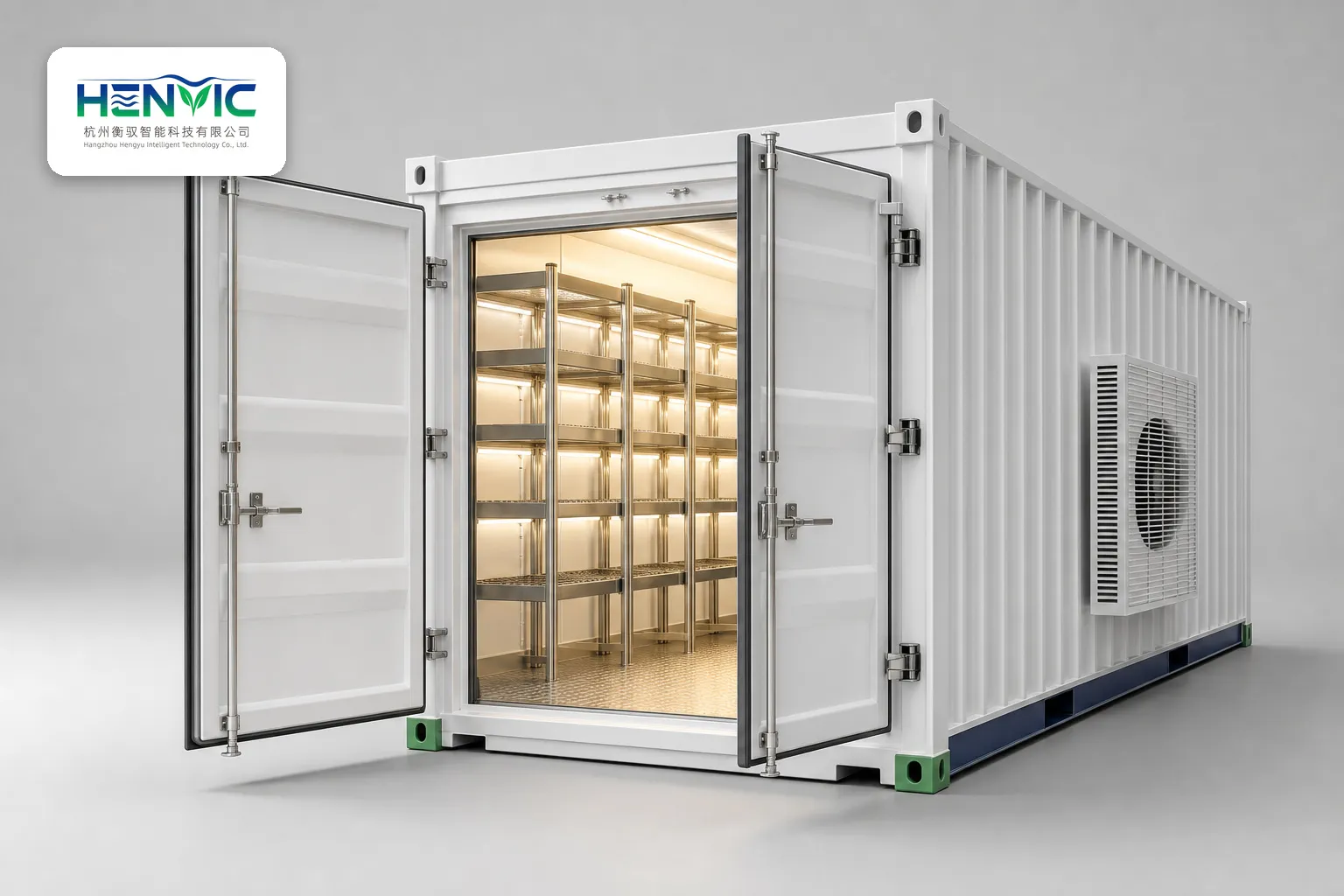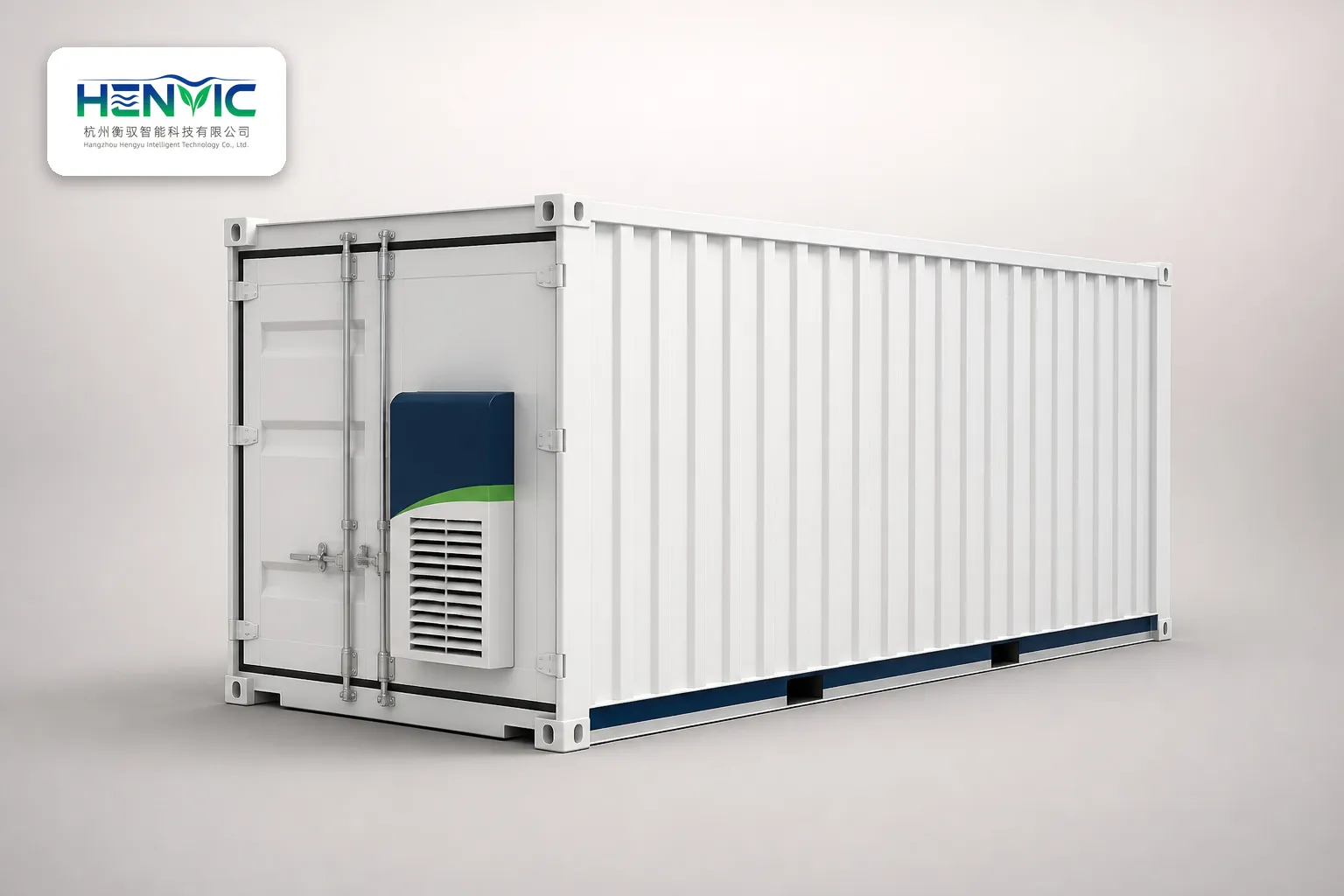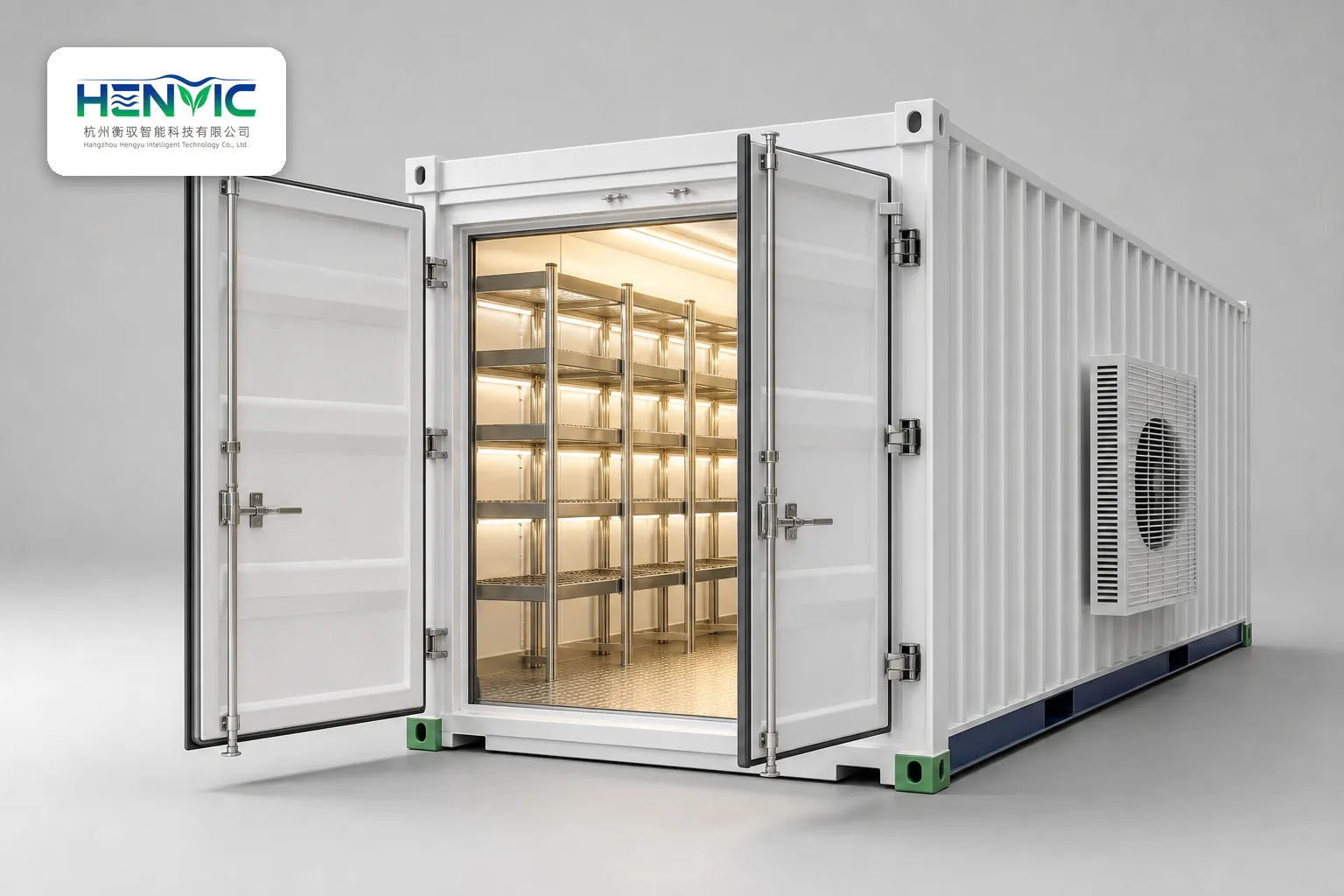
A mushroom cultivation container is a sealed, transportable controlled-environment chamber purpose-built around the biology of filamentous fungi rather than green plants. It regulates temperature, humidity, carbon dioxide, fresh-air exchange, light and hygiene zoning so that a saprophytic fungus can be taken from sterile substrate through vegetative colonisation and then deliberately triggered into fruiting, cycle after cycle, independent of season or geography. The essential departure from plant cultivation containers is philosophical as much as mechanical: mushrooms are heterotrophs that consume a prepared substrate, they pass through two morphologically and physiologically distinct phases with opposing environmental optima, and they treat carbon dioxide not as a nutrient to be enriched but as a morphogenetic signal that must be actively driven down to force the transition from mycelium to mushroom.
Fungal Biology as the Design Constraint
Everything in a mushroom container descends from one fact: the organism spends most of its life as an invisible network of hyphae inside a solid substrate, and only briefly produces the visible fruiting body that carries commercial value. The mycelium is the factory; the mushroom is the product. This inverts the priorities of a leafy-green container, where the harvestable tissue is the entire biomass under continuous production.
Contamination therefore dominates the engineering. A fungus grown for food competes with faster-growing moulds — Trichoderma green mould above all, along with Penicillium, Aspergillus and various bacteria — for exactly the same sugars, moisture and warmth. The window in which the substrate is exposed and uncolonised is the window of maximum vulnerability, and every hygiene decision in the container exists to shorten or eliminate it. A container farm that loses one substrate block in twenty to green mould is considered to be operating poorly; the target in well-run facilities is well under one percent.
Envelope, Zoning and Hygiene Architecture
Containers are chosen for their portability and insulated envelope, but their internal layout is dictated by the need to separate clean from dirty operations. Best practice divides the footprint into functional zones: a receiving and substrate-mixing area, a sterilisation or pasteurisation stage, an inoculation or spawning area held under positive pressure with HEPA-filtered air, and one or more climate-controlled growing chambers. In a single forty-foot box these zones are compressed and often split across two or three containers acting as a production cell, because the sterile operations simply cannot share air with a room full of mature, spore-laden fruiting bodies.
Interior surfaces are non-porous, coved at junctions, and cleanable with peroxide, quaternary ammonium or alcohol-based sanitisers. Floors are epoxy-sealed with drainage; cable and pipe penetrations are gasketed. Positive pressure is maintained in the inoculation zone and neutral-to-negative pressure in the fruiting and spent-substrate zones, so that air flows from clean to dirty. Air changes are high and filter classes are specified per zone: HEPA H13 or better for inoculation, coarser filtration with UV or ozone polishing for growing rooms.
Substrate Preparation and Sterilisation
Substrate is the single largest recurring cost and the largest determinant of yield. Common formulations blend hardwood sawdust or wood chips with wheat bran, rice bran, soybean hulls, cottonseed hulls or spent coffee grounds, adjusted for carbon-to-nitrogen ratio, moisture content of roughly 60 to 65 percent, and pH typically 5.5 to 7.0 depending on species. Bulk density and particle size distribution govern both the air-filled porosity available to hyphae and the heat-transfer behaviour during sterilisation.
Two pathways exist. Sterilisation, held at 121 degrees Celsius for 60 to 120 minutes in a pressure vessel, achieves genuine asepsis and is mandatory for supplemented substrates and for slower-colonising gourmet species. Pasteurisation — 60 to 70 degrees Celsius for several hours, sometimes with a prior composting phase — relies on thermal elimination of competitors and the selective advantage it confers on the mushroom fungus, and is adequate for straw-based button and oyster production. Within a container cell, the sterilisation vessel is often the thermal and schedule bottleneck: cooling the substrate back to inoculation temperature can take as long as the sterilisation itself, and any delay in cooling reopens a contamination window.
Inoculation and Spawn Run
Spawn is introduced either as grain spawn mixed through the substrate or as sawdust spawn layered or injected. Inoculation rate — commonly 2 to 10 percent by wet weight — is a deliberate trade-off: higher rates accelerate colonisation and suppress contaminants through sheer competitive density, but consume substrate nutrition that would otherwise become yield. Inside the container, inoculation is performed in the HEPA-pressurised zone with laminar-flow benches, flame or infrared sterilisation of tools, and strict personnel gowning.
The spawn run, or colonisation phase, is then the longest single stage — usually 10 to 21 days depending on species and block size. Environmental targets are warm, dark and CO₂-rich: substrate temperature held near 22 to 26 degrees Celsius, relative humidity at 85 to 95 percent, and carbon dioxide deliberately allowed to accumulate to 5,000 to 20,000 parts per million to discourage premature pinning. Light is withheld or kept to very low levels, because blue-light exposure during colonisation can induce primordia and disturb the phase transition. The critical hidden variable is substrate temperature rather than air temperature: actively growing mycelium generates metabolic heat, and a densely packed block can run several degrees warmer than its surroundings, which is exactly the condition under which Trichoderma thrives. Incubation rooms therefore need genuine heat-removal capacity, not just heaters.
Inducing the Fruiting Phase
The transition to fruiting is the technical heart of mushroom cultivation and the point where a mushroom container diverges most sharply from a plant container. Primordium initiation is triggered by an abrupt environmental shift: a drop in temperature, a drop in CO₂, a rise in relative humidity, and, for many species, a specific light cue. In practice the operator executes a programmed ramp.
Temperature is lowered by 5 to 10 degrees, species-dependent, and held steady during fruiting — king oyster, shiitake, enoki and oyster varieties each have characteristic optimum bands, typically in the 13 to 20 degree range for gourmet types. Carbon dioxide is driven down aggressively, commonly to below 800 parts per million and often to 600 to 1,000 ppm for species requiring strong stem elongation control, since high CO₂ during fruiting produces long, thin stipes and small or aborted caps. Fresh-air exchange becomes the dominant air-handling function, and its coupling to humidity is the central control problem: every cubic metre of fresh air introduced carries away moisture and heat, so humidification must be actively rebalanced against ventilation. Steam or ultrasonic humidifiers, fogging nozzles and membrane contactors are all used, with vapour pressure deficit held in a band that keeps caps turgid without depositing free water on the fruit bodies — surface condensation is a direct route to bacterial blotch.
Light re-enters as a formal control variable. Most gourmet species need a photoperiod of roughly 8 to 12 hours at low intensity — often only 200 to 1,000 lux of blue-rich white or dedicated blue and white LEDs — to direct stem orientation, cap colour and pigmentation. Shiitake and lion's mane develop their characteristic appearance only with the correct light regime, and over-lighting causes premature opening, browning and loss of shelf life.
Air Handling and Contamination Control
HVAC is simultaneously the largest energy consumer and the most consequential hygiene barrier. Air is typically pre-cooled, dehumidified to control the latent load, and rehumidified to the target VPD, with HEPA filtration on the supply side in inoculation areas and coarse filtration plus UV on the recirculation loop in growing rooms. Exhaust from the fruiting chamber is spore-laden by nature — a mature block releases enormous numbers of basidiospores — and must be filtered before discharge both for environmental hygiene and to protect personnel. HEPA filters on exhaust lines and careful exhaust routing are standard in commercial installations.
Pressure cascades, air-change rates calibrated to the metabolic CO₂ load rather than to volume alone, and continuous ambient-particle monitoring form the practical contamination defence. Sanitation schedules between flushes — removing spent blocks, spraying surfaces, replacing prefilters, checking door gaskets — are as operationally important as any control loop.
Harvest, Multi-Flush Cycles and Yield
Harvest is manual in most gourmet operations because mushroom quality is judged on intactness, uniformity and clean stem bases. A single block is not harvested once but in waves: after the first flush the substrate is allowed to rest, then re-induced for a second and sometimes third flush. Total biological efficiency — fresh mushroom mass per dry substrate mass — is the industry's core metric, and it ranges widely from roughly 40 to 100 percent for oyster varieties depending on formulation, block size, species and, critically, how well the environmental recipe is tuned. Each successive flush declines in yield and requires re-hydration and hygiene discipline between cycles.
Automation and Product Design
Sensing overlays the biology: air and substrate temperature probes, CO₂ sensors, humidity, VPD, light and increasingly off-gas or volatile-organic-compound monitoring as an early contamination indicator, since competing moulds change the volatile profile before visible growth appears. Control logic is staged and recipe-driven, allowing one container cell to be reprogrammed between species. Automation has advanced furthest upstream and downstream — automated mixing, bagging and sterilisation loading, robotic or conveyor-based harvesting in button mushroom facilities, tray handling in enoki production — while the fiddly, judgement-heavy middle steps of pinning and quality grading remain largely manual.
Energy, Economics and Direction
Energy intensity is driven by lighting, refrigeration, humidification and the substantial fan power needed for fresh-air exchange. Because fruiting rooms must be held at cool temperatures for weeks while continuously ventilated, cooling loads are heavy and often exceed the lighting load — the opposite of a leafy-green container. Heat pumps, chilled-water loops shared across containers, and heat recovery from condenser exhaust are the standard mitigations, and multi-container clusters that share sterilisation, substrate mixing and air handling reach better economics than isolated boxes.
The strategic case for container-based mushroom production rests on freshness, zero-pesticide positioning, local supply and standardised quality, not on beating field-grown or purpose-built button mushroom factories on cost. Its honest limits are the narrow economically viable crop set — oyster, king oyster, lion's mane, shiitake, enoki, pioppino and a handful of others — the labour intensity of harvest, and the low tolerance for biological failure: a contaminated block is not a partial loss but a complete one.
A mushroom cultivation container is ultimately a machine for managing one specific risk and one specific transition. The risk is contamination during a long, exposed, nutrient-rich colonisation phase; the transition is the deliberate environmental shock that turns a quiet vegetative network into a crop. The engineering that matters most is the engineering of hygiene and of phase control, because a mushroom container's output depends less on how well it can be cooled or lit than on whether it can hold a sterile window open long enough, and then close it exactly when the fungus should be told to fruit.