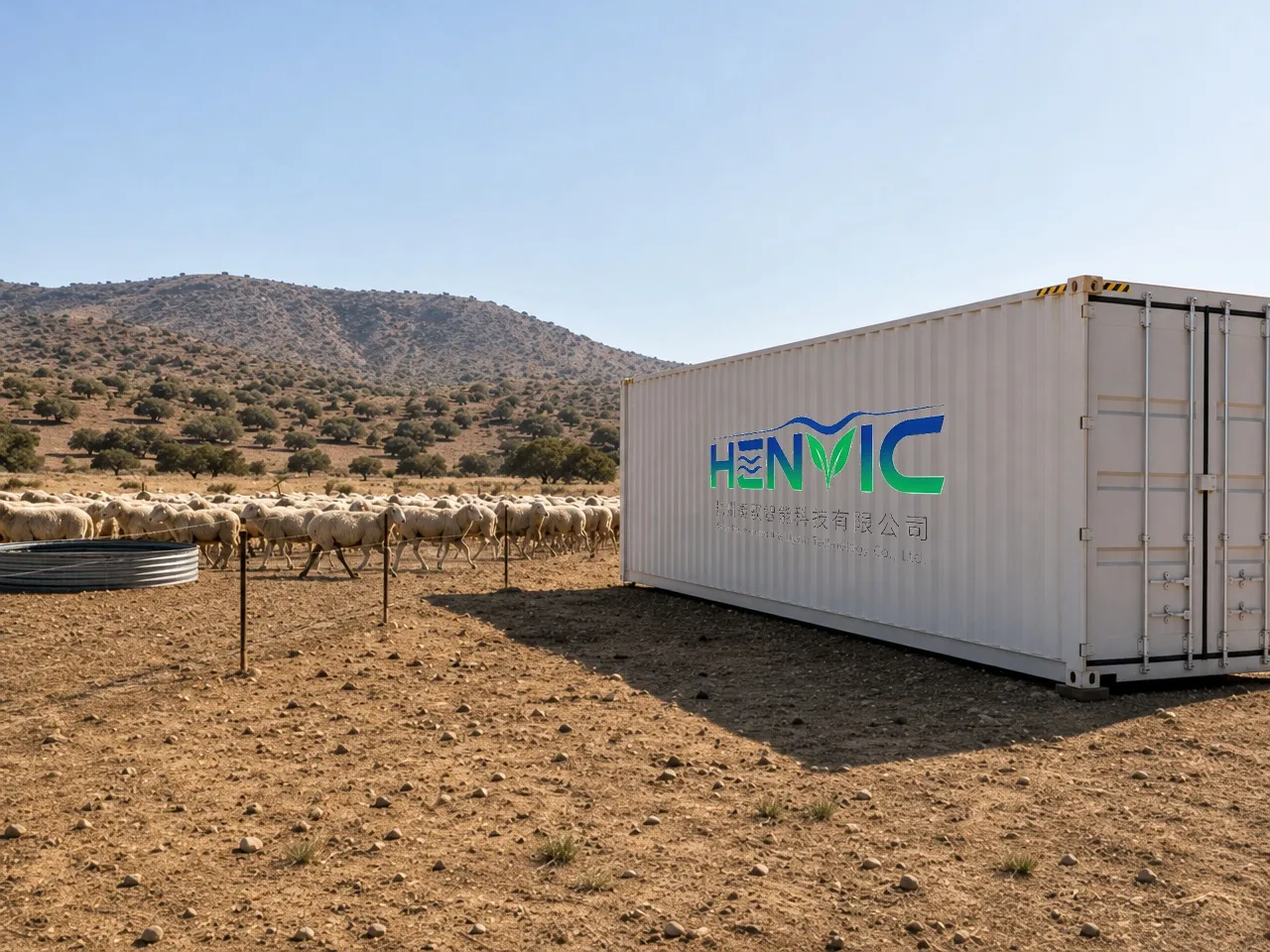
The last mile is the most expensive mile in food. A head of lettuce harvested in a field two hundred kilometres from the city may spend two or three days in cold chain before it reaches a plate, losing freshness with every hour and adding freight, refrigeration and spoilage to its cost. The container farm proposes something almost radical in its simplicity: eliminate the distance. Put the growing space inside the city, or at its edge, and the last mile collapses from a supply-chain problem into a walk across a loading bay.
The Geography of Freshness
Leafy greens are living tissue. Once severed from the root, they keep respiring, losing moisture and sugar, wilting under their own metabolism. Cold chain slows that decline but never stops it. The conventional route—harvest, precool, pack, truck, distribution centre, truck again, retail shelf—typically delivers produce that is three to seven days old, and the gap is worse in large countries where a single growing region supplies a continent.
A container placed within a few kilometres of its customers changes the timeline entirely. Harvest can happen the morning of delivery, sometimes within hours of the meal. The value of that gap is not merely aesthetic. It shows up in shelf life, in texture, in nutritional retention, and in the sheer volume of waste avoided when produce arrives fresher and holds longer.
The Footprint Question
The obvious objection is land. Dense cities have no spare acreage, and the land that does exist is far too expensive to grow lettuce on. This is precisely where the container's logic bites. Because growing happens on stacked racks rather than flat ground, the effective productivity of a small urban plot can be multiplied many times over. A site the size of two parking spaces, in a footprint sense, can carry the growing area of a small field.
That reframing is the key move. The container farm does not compete for urban land on the basis of area. It competes on the basis of output per unit of space, and on the fact that it can occupy land that has no better use: an unused lot, a warehouse corner, a rooftop, the dead space beside a rail yard or under a highway overpass. It converts marginal urban space into productive capacity.
Rooftops, Basements, Brownfields
The deployment options are broader than the word "container" suggests.
Supermarket rooftops are among the most attractive. The farm sits directly above the buyer, eliminating transport almost entirely and turning what was a structural liability—an empty roof—into an asset. Restaurants with surplus back-of-house space can grow a portion of their own herbs and greens, cutting both cost and dependence on supplier quality. Brownfield sites, parking structures and industrial parks offer cheap square metres with power and loading access already in place. Even underused basements and former factories come into play, since the sealed box does not need sunlight or natural ventilation.
In each case, the container treats infrastructure as a given and adapts to it. Power and water are the only real prerequisites; everything else the box supplies itself.
What the Last Mile Actually Saves
The savings are concrete and worth enumerating.
First, transport. Eliminating a two-hundred-kilometre cold-chain journey removes fuel or diesel, driver hours, vehicle depreciation and the refrigeration load that follows produce from field to shelf. Second, spoilage. Shorter times between harvest and sale mean less shrinkage at every handoff—and shrinkage is a cost that gets priced into produce before it is even sold. Third, packaging and handling. Fewer touches means less wrapping, less re-crating, less labour per kilogram.
Fourth, and harder to quantify, is resilience. A city that grows part of its own greens is less exposed to distant droughts, transport strikes, fuel price spikes and border disruptions. The supply does not replace the field, but it provides a buffer—a local base load that keeps shelves stocked when the long chain falters.
The Counterarguments
The case is not airtight, and the honest version of it acknowledges where the model strains.
Energy is the first challenge. A sealed, artificially lit container consumes electricity for lighting and cooling, and in a city with a carbon-heavy grid that environmental cost can outweigh the transport savings. The freshness advantage is real; the carbon advantage is conditional on where the power comes from.
Cost per kilogram is the second. Urban container produce is expensive to grow, and it cannot be sold at commodity prices. It works in restaurants, premium retail and direct subscription boxes. It does not work as a replacement for cheap bulk vegetables, and pretending otherwise sets the model up to fail.
Scale is the third. One container feeds a handful of restaurants, not a city. Hundreds of units are needed for meaningful local supply, and each requires power, water, maintenance and a skilled operator. The model scales by replication, but replication is capital-intensive and slow.
The City as a Growing Medium
What the container farm ultimately proposes is a change in where the boundary of the city sits. For a century, urban planning has drawn a line between the place people live and the place food is grown, then spent enormous effort moving goods across that line. The container farm erases the line, or at least blurs it, by making the growing unit small, sealed, mobile and indifferent to climate.
It will not feed a metropolis. It will not replace the field, and it should not try. But it can shorten the last mile from hundreds of kilometres to a few hundred metres, and in doing so it changes what "fresh" means, what "local" costs, and how resilient a city's food supply can be. The vegetable patch is not returning to the city in the old sense. It is arriving in a new form—steel, stacked, sealed and programmable—and it is landing closer to the plate than any field ever could.