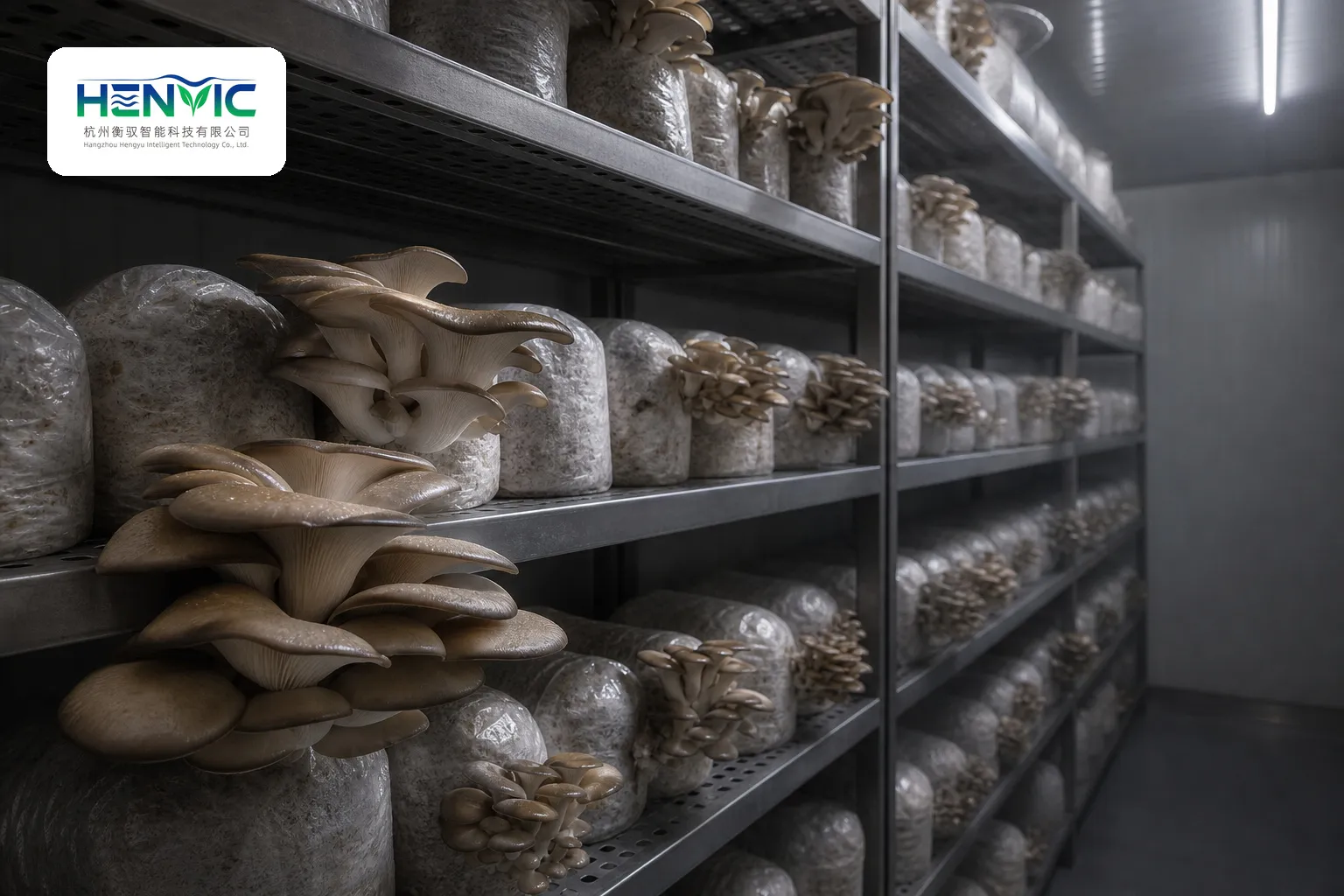
Introduction
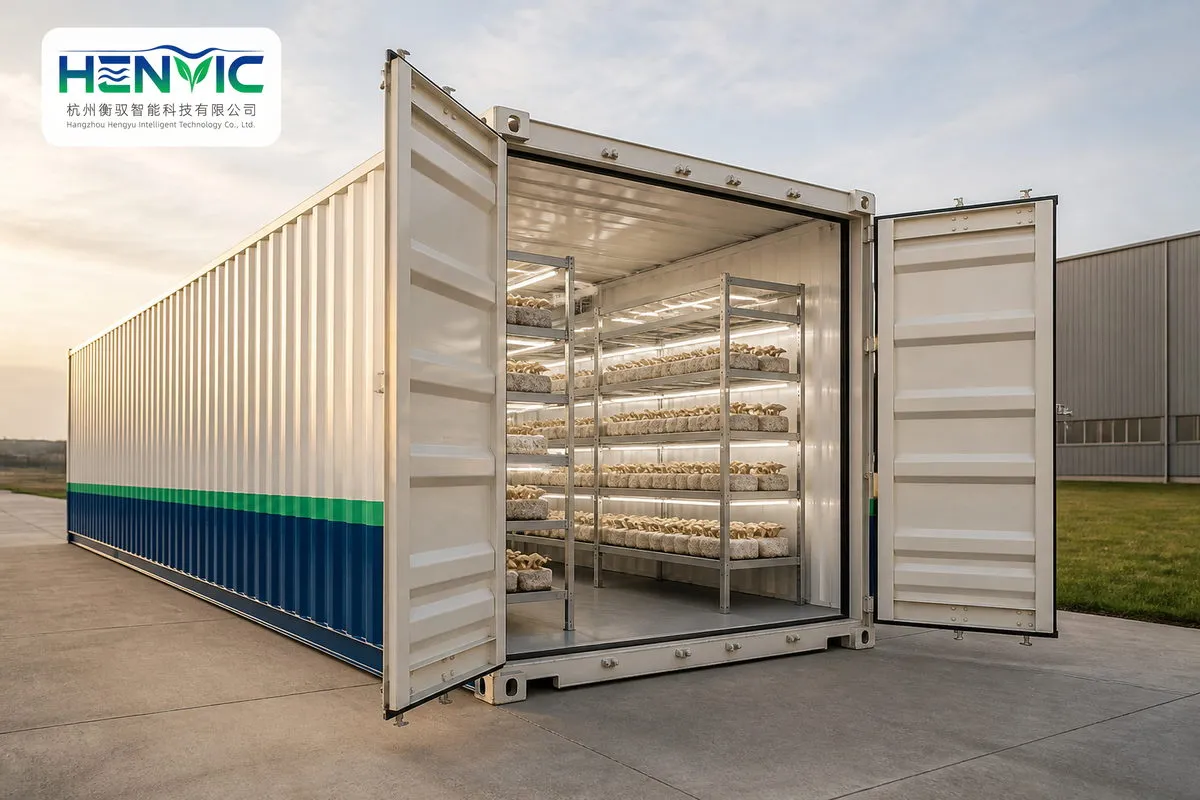
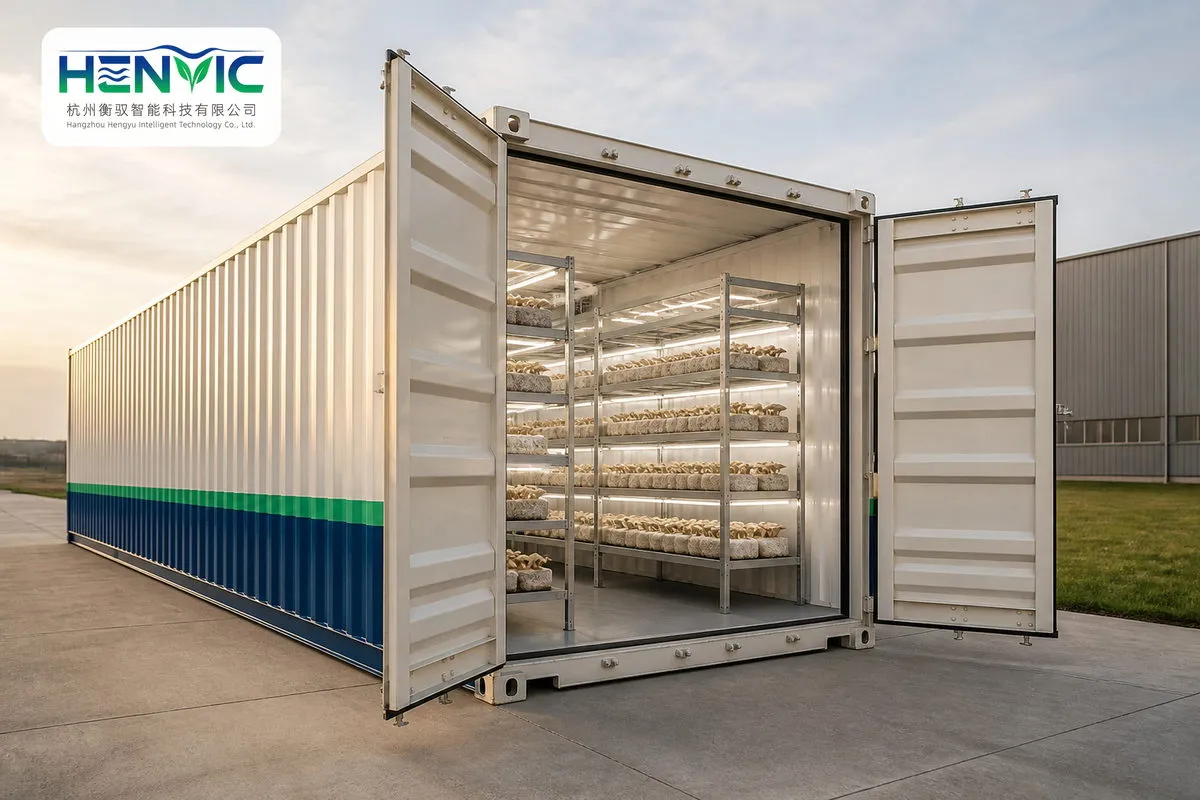
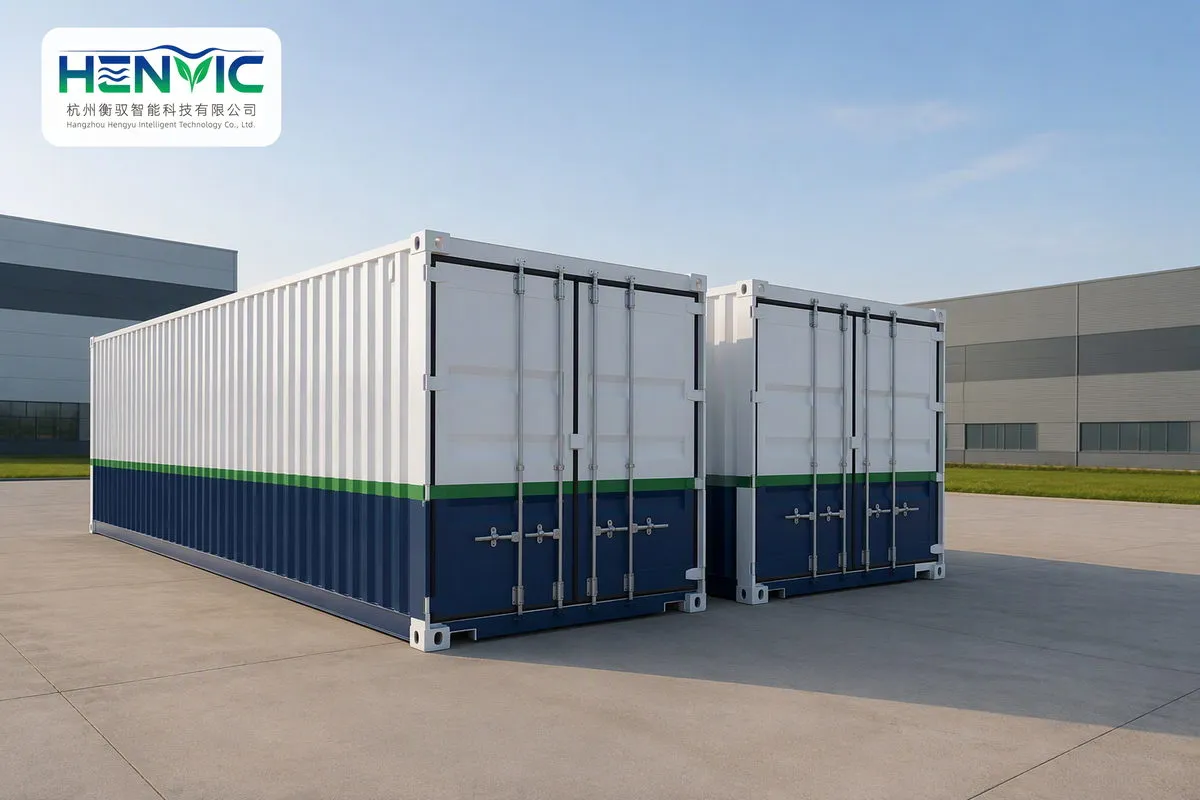
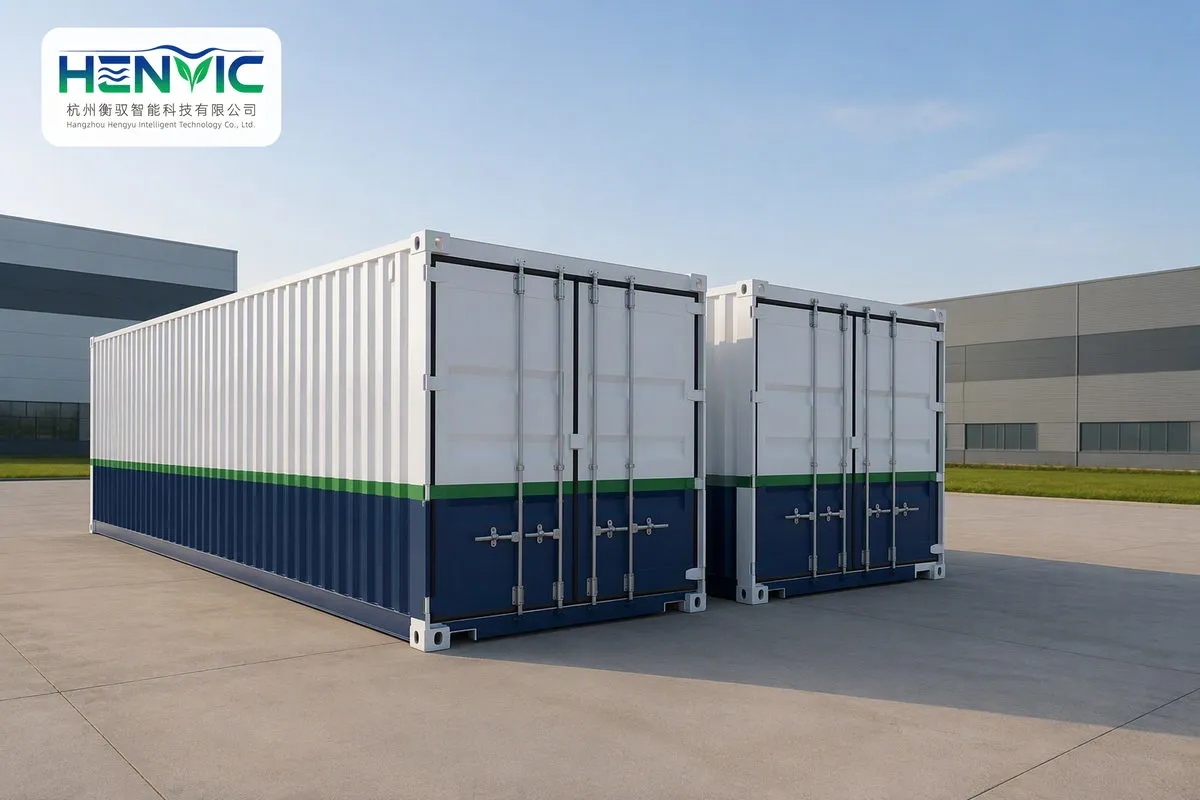
In traditional mushroom cultivation, environmental factors such as temperature, humidity, and airflow are often difficult to control, making it challenging to guarantee stable yields and quality. With advances in agricultural technology, mushroom cultivation containers (also known as smart mushroom growth chambers) have emerged as a key solution in modern fungiculture. By combining Internet of Things (IoT), automated climate control, LED lighting, and biological engineering, cultivation containers significantly improve production efficiency, reduce contamination risks, and enable year-round cultivation. This article explores the core technical applications of mushroom cultivation containers and analyzes how these innovations are reshaping the industry.
I. Environmental Control Technologies
The core of a mushroom cultivation container lies in its ability to create an optimal, stable internal environment. This is achieved through several critical control systems:
Temperature Regulation
Mushrooms have distinct growth stages, each requiring precise thermal conditions. Mycelium typically grows best between 22°C and 26°C, whereas fruiting bodies require cooler temperatures (usually 12°C to 20°C) for healthy cap development. Modern cultivation containers integrate HVAC (heating, ventilation, and air conditioning) systems and thermal sensors to maintain temperature stability, preventing physiological disorders caused by sudden thermal shifts.Humidity Control
Air relative humidity plays a vital role in determining the quality of the final yield. Fruiting bodies generally require 80% to 90% humidity. To maintain this, cultivation containers utilize high-efficiency misting nozzles and humidity sensors. Automated feedback systems adjust misting frequency based on real-time readings, preventing the substrate from drying out while minimizing excess water that could lead to bacterial contamination.Air Filtration and Ventilation
Air quality is a critical factor in mushroom cultivation. High-efficiency particulate air (HEPA) filters are commonly installed to block dust, micro-insects, and airborne pathogens. Additionally, programmable ventilation systems manage the exchange of carbon dioxide and oxygen. During the fruiting phase, which demands abundant fresh air, the system adjusts the ventilation rate to maintain optimal gas concentrations and prevent the caps from becoming elongated or malformed.
II. LED Lighting and Trigger Servo Systems
Unlike plants, mushrooms do not rely heavily on photosynthesis, but light plays a crucial signaling role in their lifecycle—particularly in triggering primordia formation (pinning).
Spectral Adjustment
Traditional cultivation uses incandescent bulbs or natural light, often resulting in poor environmental control and heat generation. Modern containers utilize customizable LED diodes. Research indicates that blue light is highly effective in stimulating pinning, while a combination of red and blue light can accelerate overall growth and improve the texture and color of the fruiting bodies.Illumination Programs
Through intelligent controllers, growers can program precise light cycles that mimic natural light and dark periods. For example, certain species require 6 hours of light followed by 18 hours of darkness to form high-quality fruiting bodies. The container enforces these cycles accurately, guaranteeing consistent yields across batches.
III. Fine-Atomization Hydration and Automated Humidity Systems
In traditional fruiting chambers, water is often sprayed manually, leading to uneven hydration and high labor costs. Cultivation containers employ advanced irrigation technologies:
High-Pressure Fine Atomization
Utilizing high-pressure pumps and precision nozzles, the system atomizes water into ultra-fine mist. This covers the substrate uniformly without causing over-saturation, ensuring the mycelium and developing caps absorb moisture effectively.Nutrient Integration
For certain mushroom species, especially in substrates requiring supplementation, the system can automatically inject specialized nutrient solutions into the water supply. This supports accelerated growth and increases overall yield.
IV. Automation and Intelligent Monitoring (IoT)
The integration of automation and the Internet of Things (IoT) represents a significant leap in cultivation technology. A modern mushroom container is essentially an agri-tech device.
Real-Time Parameter Monitoring
Sensors deployed throughout the container continuously track temperature, humidity, CO₂ levels, and light intensity. This data is transmitted to a centralized management system, allowing administrators to monitor operations remotely via smartphones or computers.Automated Decision-Making
The smart system can autonomously trigger responses to environmental deviations. If the temperature rises above the threshold, the cooling system activates. If humidity drops, misting increases. This eliminates the guesswork in traditional farming and reduces human error.Data Logging for Optimization
Historical data is stored for analysis. By reviewing the correlation between environmental parameters and yield, cultivators can fine-tune the growing protocols for each species, maximizing productivity and resource efficiency.
V. Applications in Disease Prevention and Pest Management
Because cultivation containers are enclosed environments, they provide a natural barrier against external threats. However, advanced technology further enhances this protection:
Sterile Environment Maintenance
The internal surfaces of the container are designed with anti-corrosion and non-porous materials. UV sterilization lamps and ozone generators can be activated during idle periods to eliminate residual pathogens, maintaining a clean cultivation space.Environmental Exclusion
By sealing the chamber and utilizing HEPA-filtered air, pests such as sciarid flies and mites are barred from entry. Combined with automated environmental management, thecontainer minimizes the biological pressures that cause disease, eliminating the need for chemical pesticides and producing safer, cleaner mushrooms.
VI. Sustainability and Energy Efficiency
The technical application of cultivation containers also addresses the ecological footprint of agriculture:
Water Recycling
Closed-loop irrigation systems ensure that moisture not absorbed by the substrate is captured, filtered, and recirculated. This drastically reduces water consumption compared to outdoor farming.Precision Resource Management
By precisely dosing water, nutrients, and electricity, containers minimize resource waste. The modular nature of the technology also allows for land-saving vertical stacking, thereby reducing the occupation of natural habitats.
Conclusion
The technical application of mushroom cultivation containers has fundamentally changed the paradigm of fungiculture. From precise environmental control and intelligent monitoring to automated irrigation and disease prevention, every technological detail is designed to enhance efficiency, quality, and sustainability. As technology continues to evolve, these intelligent containers will play an increasingly vital role in meeting global demands for safe, high-yield, and ecologically responsible food production.