I. Introduction: Cultivating the "Flavor of Freshness"
Coriander (Coriandrum sativum), widely known as cilantro in its leafy form, is an indispensable herb in global cuisines, ranging from Asian stir-fries to Latin American salsas. However, cultivating high-quality, aromatic coriander is notoriously challenging due to its rapid bolting nature, highly specific environmental triggers, and susceptibility to environmental stress.
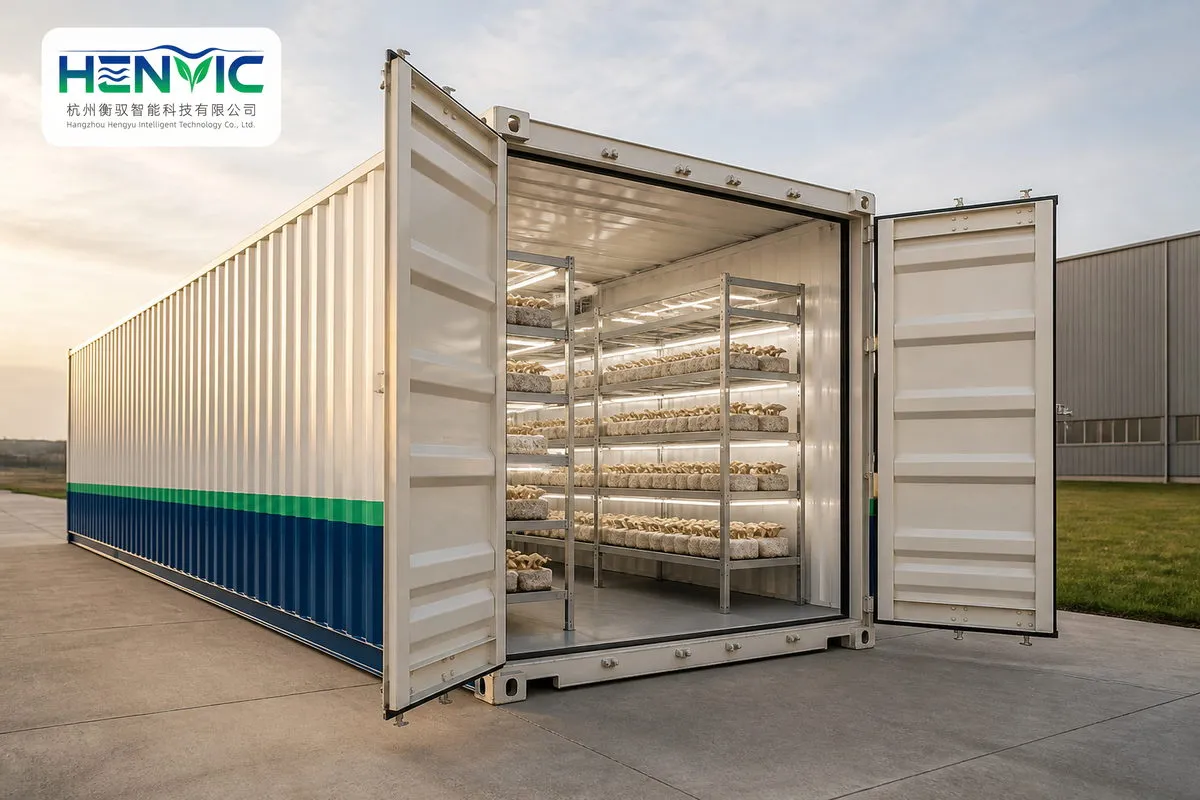
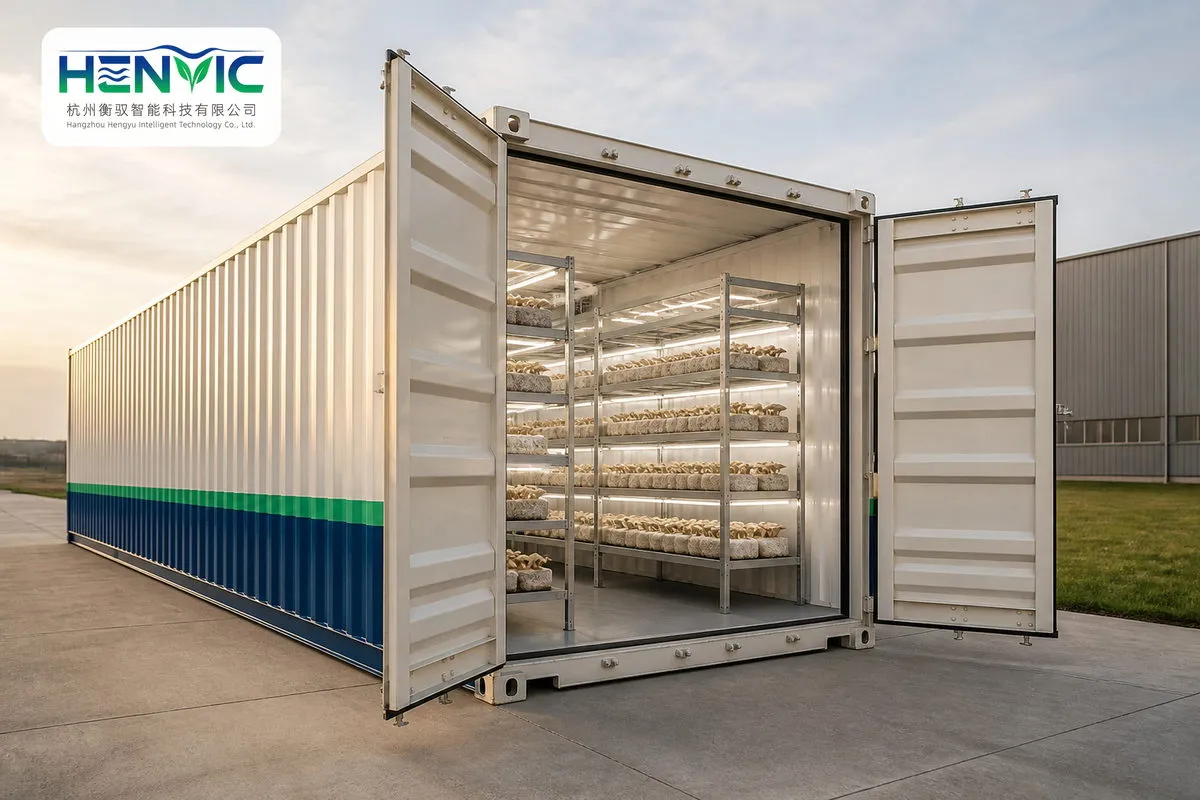
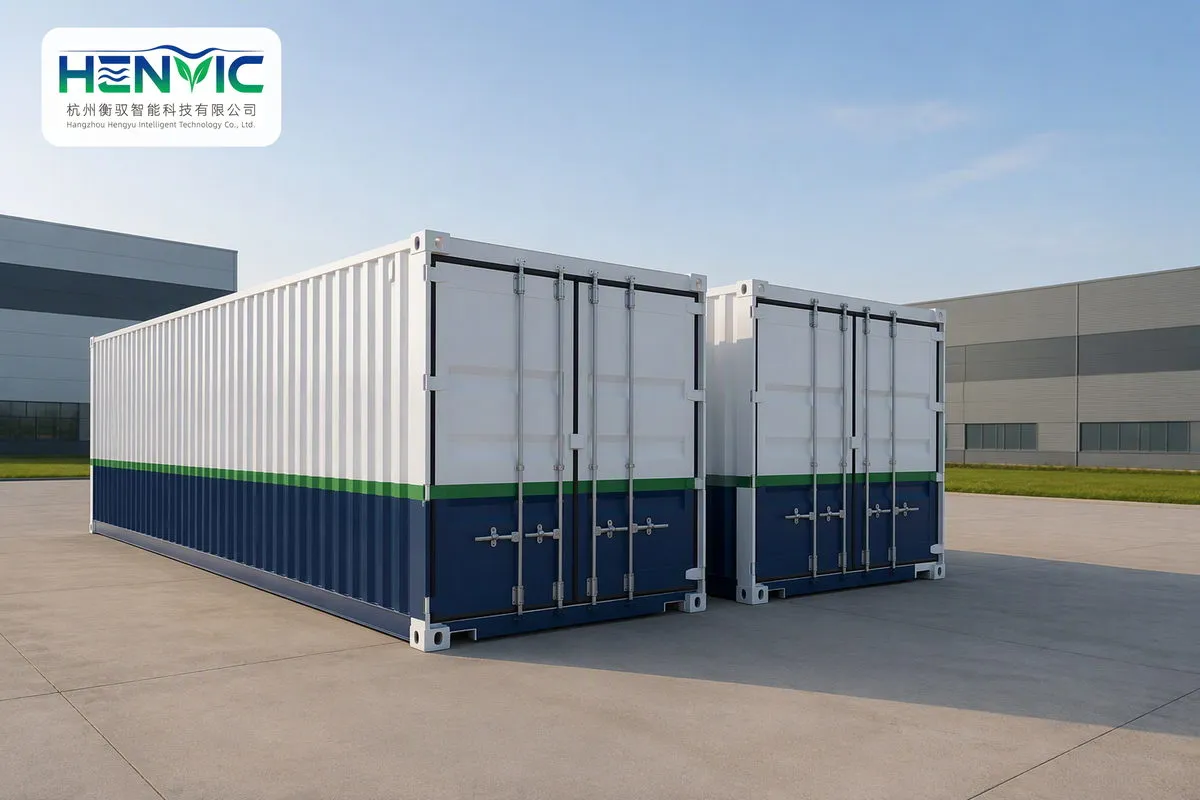
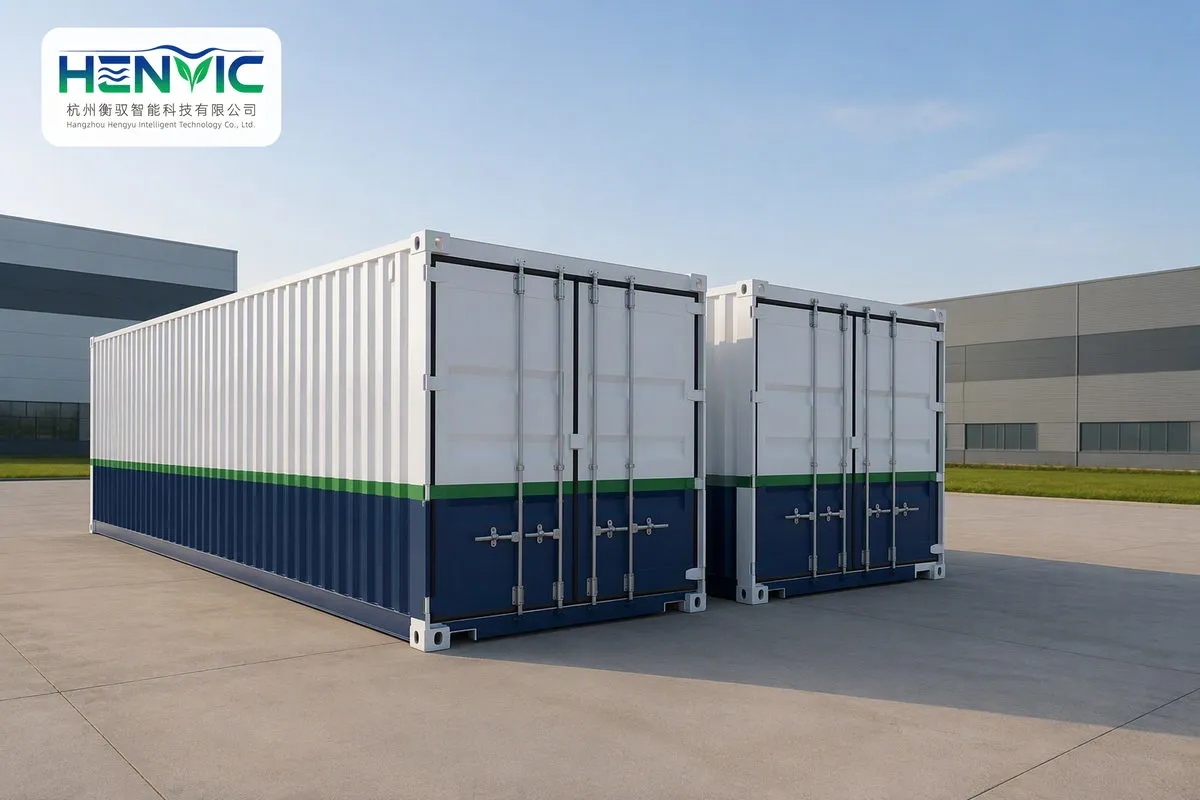
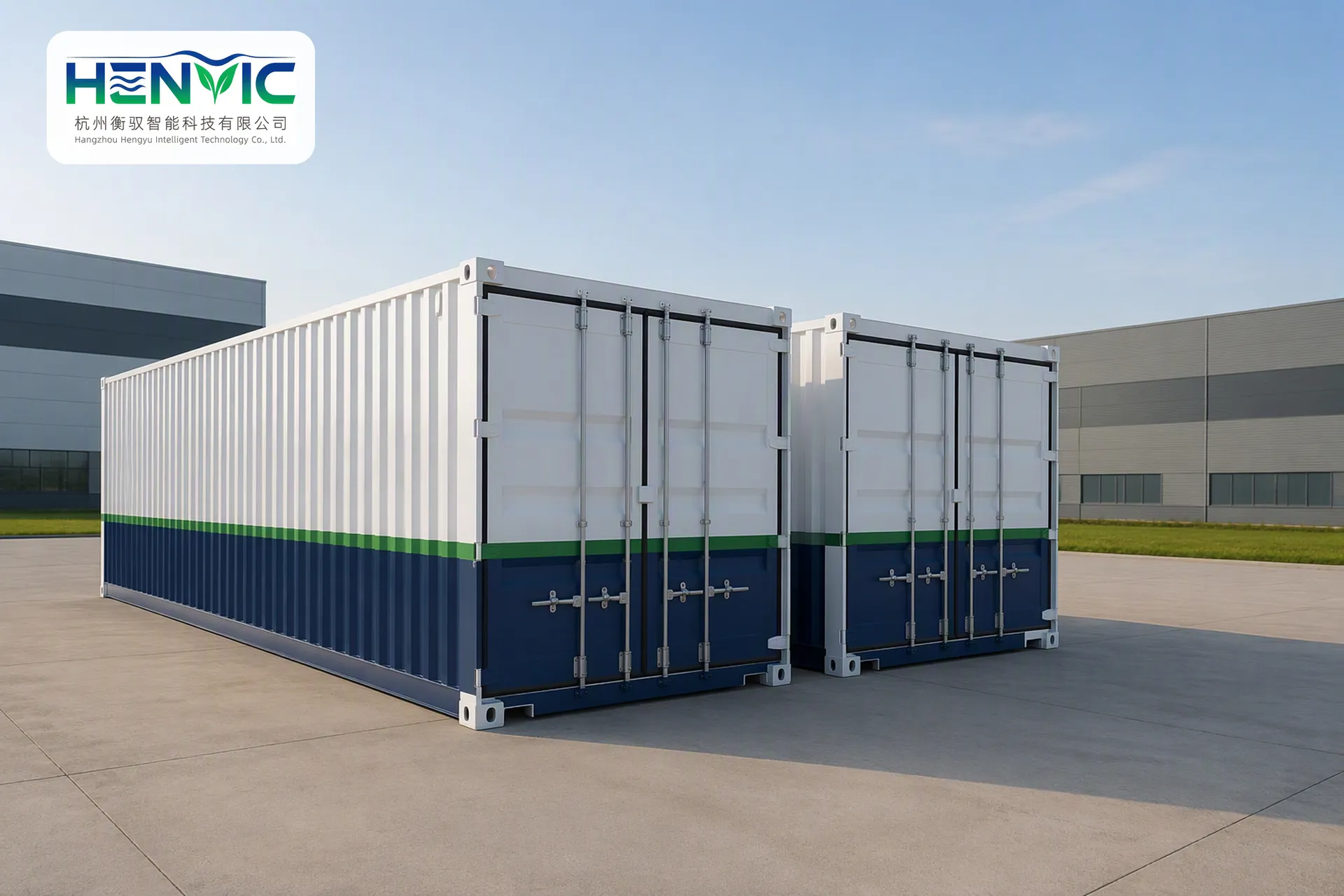
Coriander cultivation containers (CEA containers) have emerged as a transformative solution in modern agriculture. By integrating advanced Controlled Environment Agriculture (CEA) technologies within a standardized shipping container footprint, growers can achieve precise environmental regulation. This ensures a year-round supply of vibrant, slow-bolting, and pesticide-free coriander, fully independent of external weather conditions.
II. Core Technical Architecture
Growing coriander successfully in an enclosed container requires overcoming its unique biological hurdles. The container serves as a tightly managed micro-ecosystem, relying on the following key sub-systems:
1. Advanced Climate Control System (HVAC)
Coriander belongs to the cool-season crop family. High temperatures are the enemy of leaf production, as they trigger premature bolting—shifting the plant's energy from growing leaves to producing seeds, which renders it unmarketable.
- Thermal Regulation: The HVAC system maintains the internal temperature within a narrow, optimal range, generally between 15°C and 20°C during the day, and slightly cooler at night.
- Light Sensitivity Management: To delay the flowering process, modern containers often utilize shade-netting configurations or calibrated light intensity to mimic longer days without inducing heat stress, ensuring the plant focuses its energy on leafy development.
2. Precision Hydroponics and Irrigation
The container employs advanced soilless cultivation techniques to maximize production density while eliminating soil-borne diseases.
- Cultivation Medium: Instead of traditional soil, coriander is grown in NFT (Nutrient Film Technique) channels or aeroponic systems. This allows precise control of the water and nutrient delivery to the taproot system.
- Moisture Balance: Coriander has shallow roots with a high demand for consistent moisture. The system operates a closed-loop recirculation model, providing continuous moisture without waterlogging, thereby preventing root rot and optimizing water usage by up to 90% compared to field irrigation.
3. Tailored LED Illumination System
Light is the primary trigger for coriander's bolting cycle.
- Spectral Tuning: High-efficiency, full-spectrum LEDs are suspended above the crop. The system provides a specific ratio of blue and red light to encourage robust vegetative growth and retain the herb's deep green color.
- Photoperiod Management: By mimicking seasonal daylight hours, the lighting system delays the plant’s natural inclination to seed, thereby extending the harvest window and improving commercial yield.
4. IoT and Automated Fertigation Control
At the heart of the container is a centralized intelligence hub powered by the Internet of Things (IoT).
- Real-time Monitoring: Networks of sensors continuously track ambient temperature, humidity, dissolved oxygen, and the Electrical Conductivity (EC) and pH levels of the nutrient solution.
- Automated Intervention: Upon detecting any deviation from the plant’s optimal "recipe," the system automatically adjusts nutrient dosing, activates ventilation, or tweaks LED brightness, drastically reducing reliance on human labor and agricultural expertise.
III. Technical and Commercial Advantages
Transitioning coriander from open fields to technologically advanced containers offers significant benefits:
- Extended Harvest Window: By strictly controlling light and temperature, the container effectively neutralizes the threat of premature bolting, allowing for multiple harvests and prolonged leaf production.
- Superior Aroma and Clean Safety: The herb's distinct, pungent aroma is heavily influenced by its growing conditions. The container's clean, sterile environment—free from heavy metals and soil contaminants—yields a purer, highly aromatic product. Furthermore, the physical barrier of the container prevents external pests, eliminating the need for chemical pesticides.
- Strategic Geographic Flexibility: Containers can be deployed anywhere—from rooftops and urban alleyways to remote outposts—transforming unused space into high-yield herb production hubs and drastically shortening the supply chain from harvest to market.
- Chemical-Free Pest Management: Meticulously managed air filters and controlled entry points keep destructive insects like aphids and leafminers at bay, ensuring a 100% biologically clean crop.
IV. Application Scenarios
Coriander cultivation containers are rapidly being adopted across various sectors:
- Hyper-Local Urban Supply: Placed near major supermarkets, these containers guarantee that consumers receive ultra-fresh, crisp coriander that remains vibrant for weeks in the refrigerator, outperforming conventionally farmed herbs in shelf life.
- Chemical-Free and Certified Organic Markets: The enclosed environment provides a foundation for strict organic certification, satisfying the growing consumer demand for clean-label, pesticide-free produce.
- Remote Infrastructure and Research: In desert outposts, mining camps, or polar research stations, fresh herbs are a luxury. Container farms provide a sustainable solution to deliver nutritional and sensory variety to isolated populations. Educational institutions also use them as living labs for CEA research.
V. Future Outlook
The coriander cultivation container is merely a fraction of the larger AgriTech revolution. Looking toward the future, the integration of Artificial Intelligence (AI) will propel these containers into autonomous operations. AI-driven visual sensors will identify the exact moment the leaves reach peak maturity, potentially triggering automated harvesting mechanisms. As modular farming evolves, these compact, technologically dense containers will no longer be a novelty but a fundamental pillar of modern food security, seamlessly integrating into the urban fabric to provide fresh, sustainable, and hyper-local herbs.